Family and Early Life
Eric Lansdown was born in May 1952 in San Francisco, a city renowned for its artistic and cultural heritage. Raised by a family with a legacy of involvement in the arts, Eric spent his childhood years amid a vibrant artistic community. His mother, Carole Lansdown, was a decorative artist and furniture restorer, while his father, Frank Lansdown, was a painter. Eric’s grandfather, Clive Wilshire, a builder and entrepreneur, also inspired Eric’s career, having fostered his interest in building and craftsmanship from a young age. Generations of painters, actors, musicians, architects, and craftspeople across both sides of Eric’s family have had a profound influence on his life and work. Eric’s brother was a musician; his sister, daughter Jessica, and his granddaughter, Melisse, are also talented artists. Eric’s daughter Bianca, is an attorney, and one could say a legal craft; they are all continuing to be a source of inspiration for him.
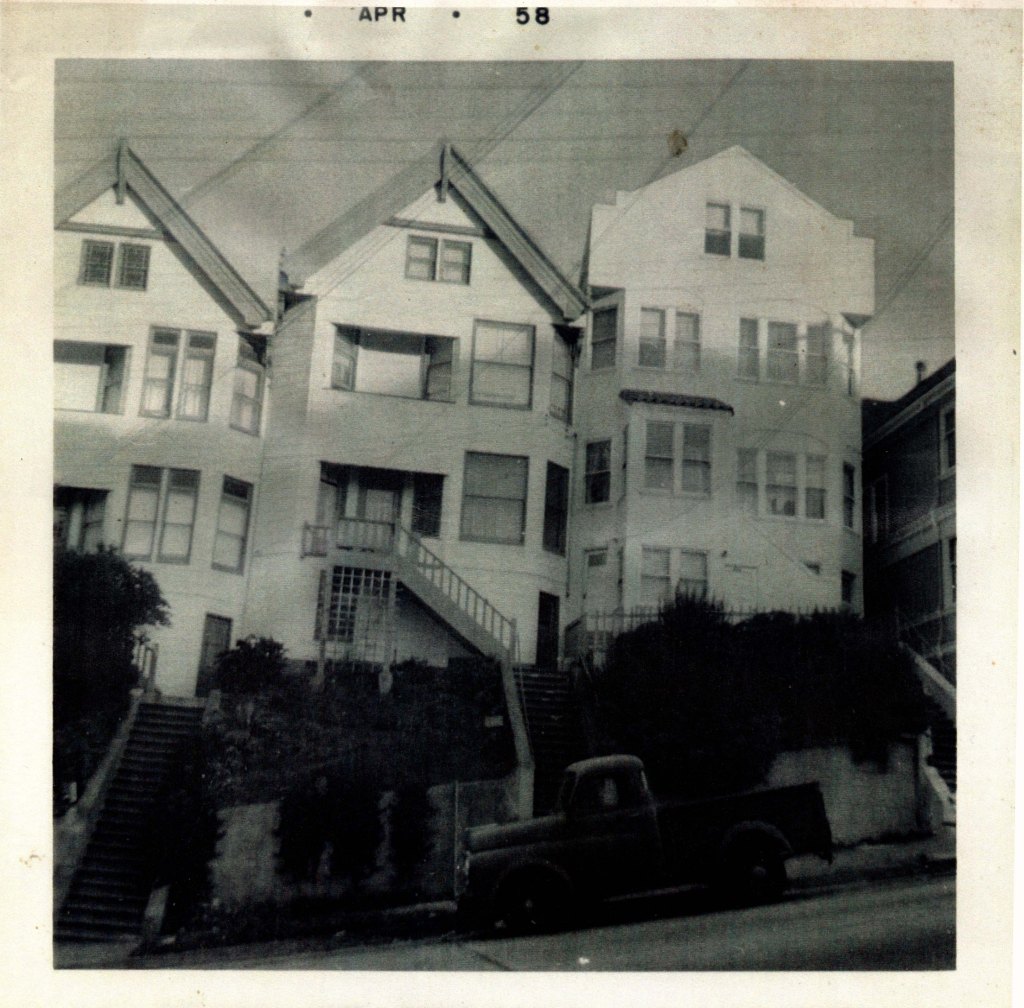
The photo to the left shows Eric’s childhood home. 832 Castro St., San Francisco. Carole’s furniture restoration shop was in the house’s basement, where she worked passionately during Eric’s formative years. This is the home environment where Carole raised her three creative children.
Growing up in San Francisco, Eric lived in a traditional Queen Anne-style house on Castro Street. His grandfather, Clive Wiltshire, gave the initially dilapidated house to his mother in 1953, and she went on to transform it into a family home for Eric and his younger brother and sister, Gary and Christine. In the 1960s, “Grandpa Clive” (pictured below) built a fine workshop in the backyard of the family home. As a young boy, Eric would spend most of his time at home building and experimenting.
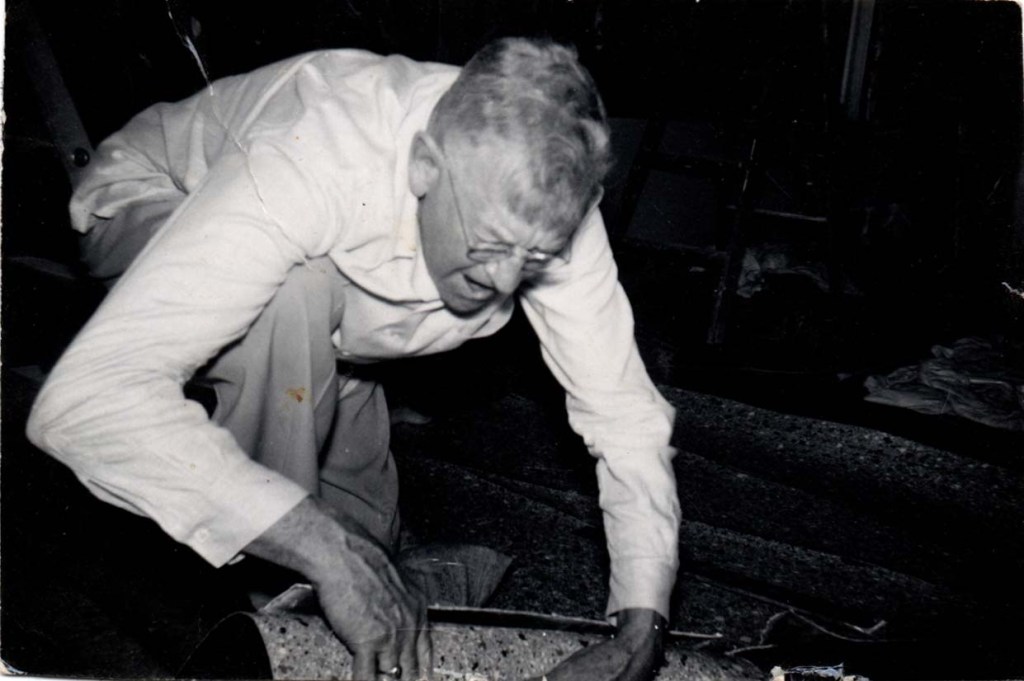
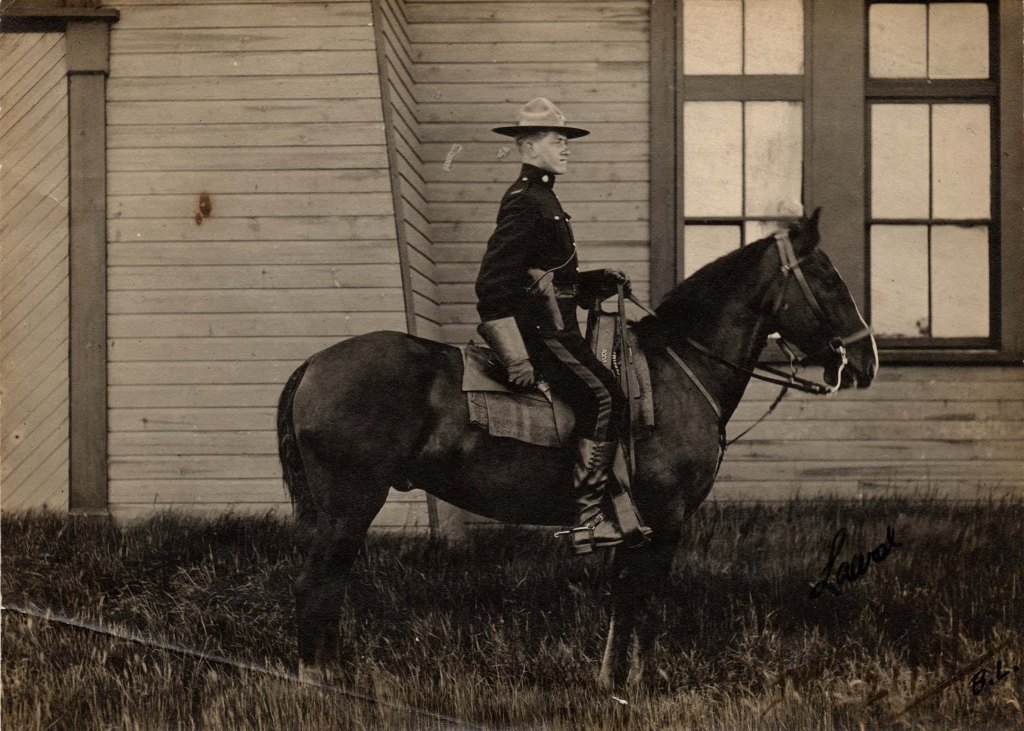
Right: Clive Wilshire in his later life. Left: Clive in 1905 while a Canadian Royal Mounted Policeman.
Eric’s father, Frank Lansdown, was a decorative interior painter with a knack for woodworking. He built the children’s bunk beds with a spiral staircase and also steamed and installed the new ribs for a dinghy, which they would take sailing. Frank Lansdown lived in Saucilito on a houseboat and worked on upscale painting of luxury properties. Frank would take the kids to the weekend’s beautiful summer houses and yachts owned by his clients.
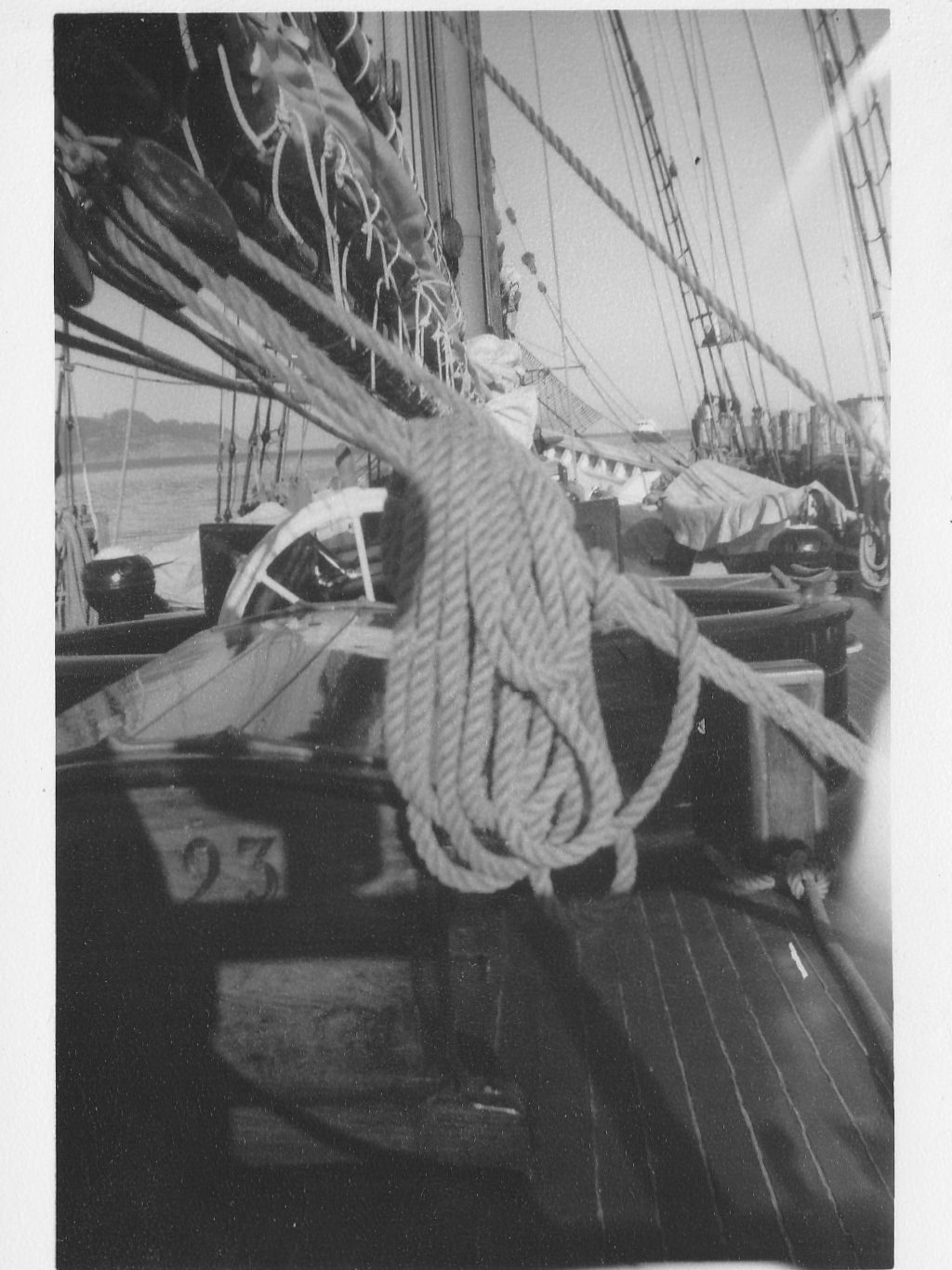
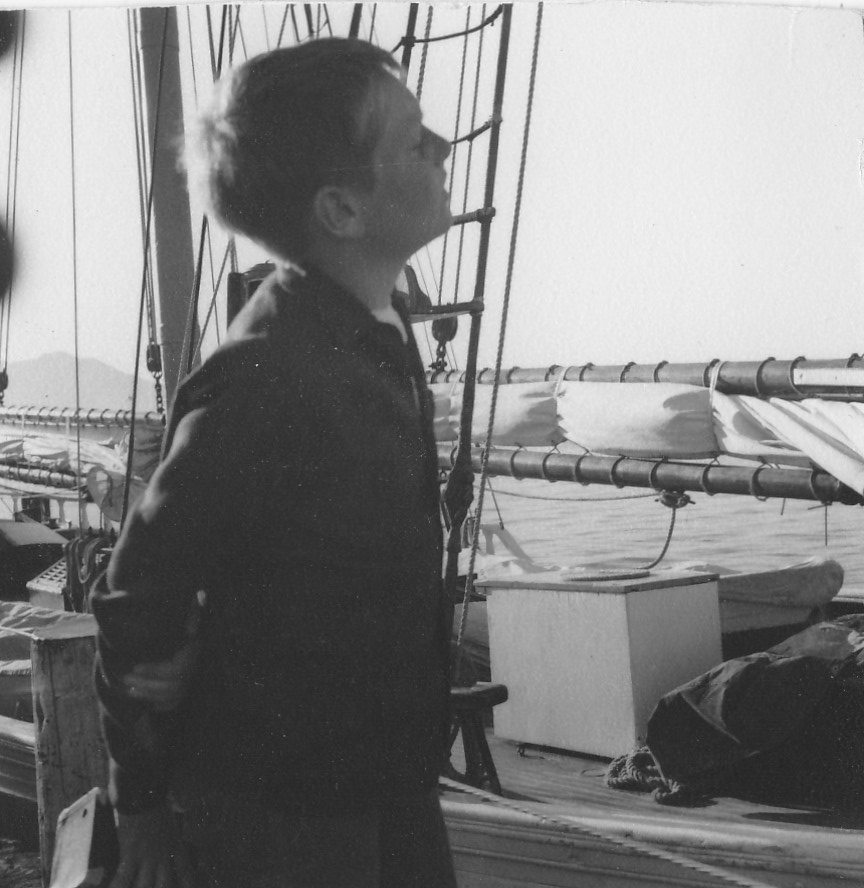
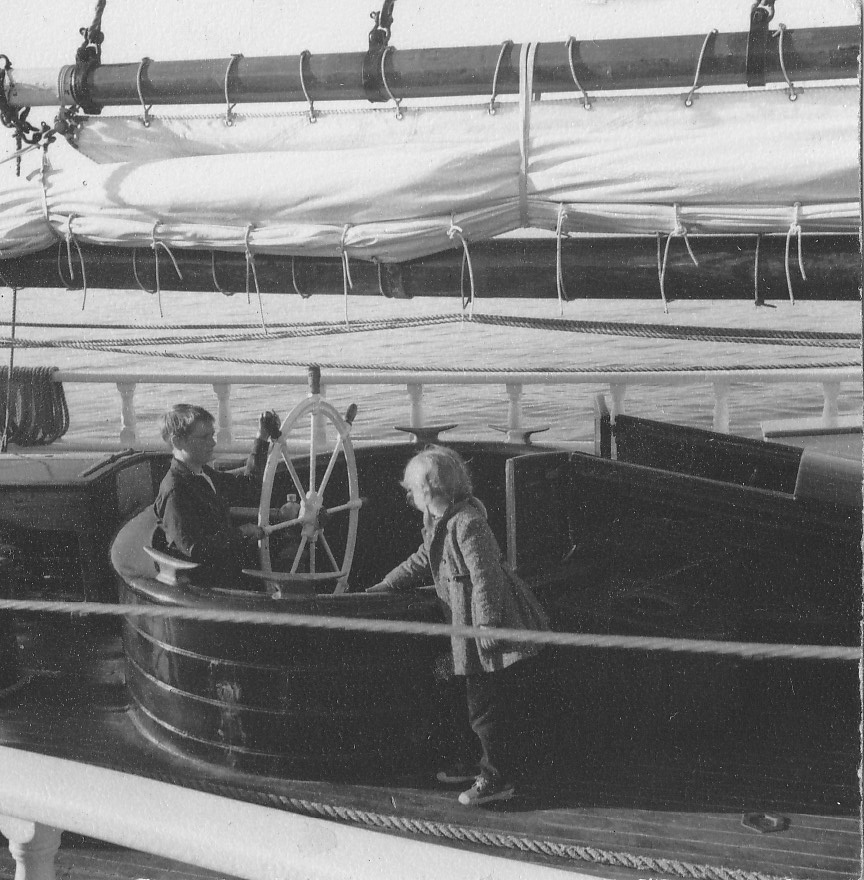
Above: Eric and Christine on “The Shamrock” in Sausalito harbor, circa 1961.
Eric’s father was a key figure who encouraged his son’s creativity. Despite their complicated relationship, Frank always said, “You can do anything if you try”. Eric learned his signature back-brushing color-wash technique and the use of transparency theory from his father and still uses them to decorate dollhouse exteriors today.
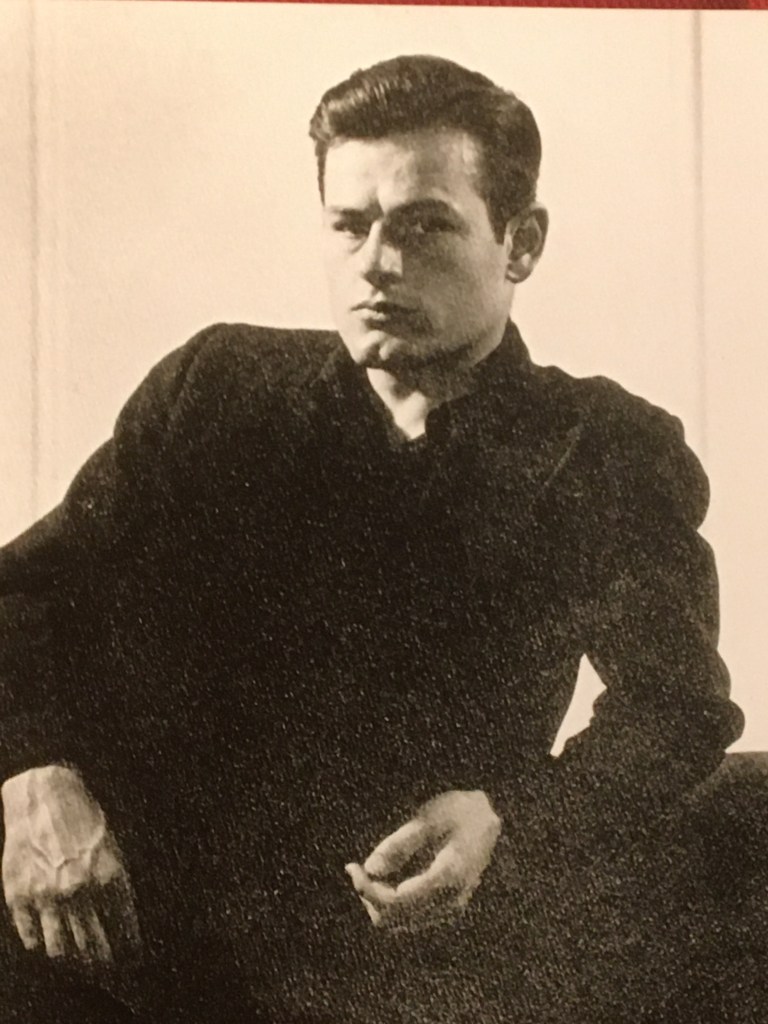
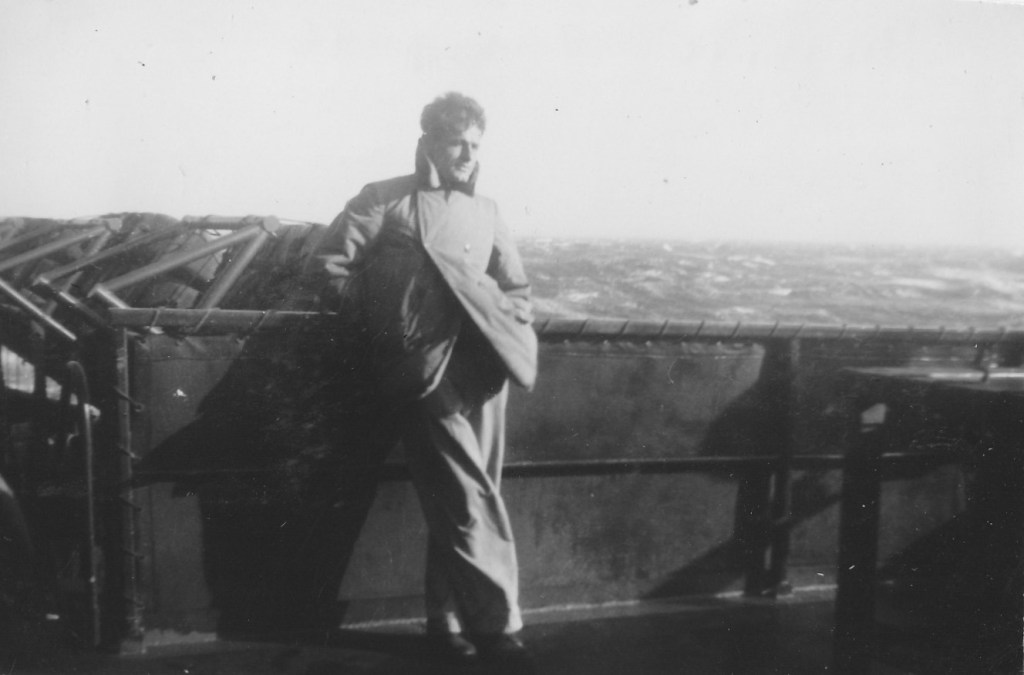
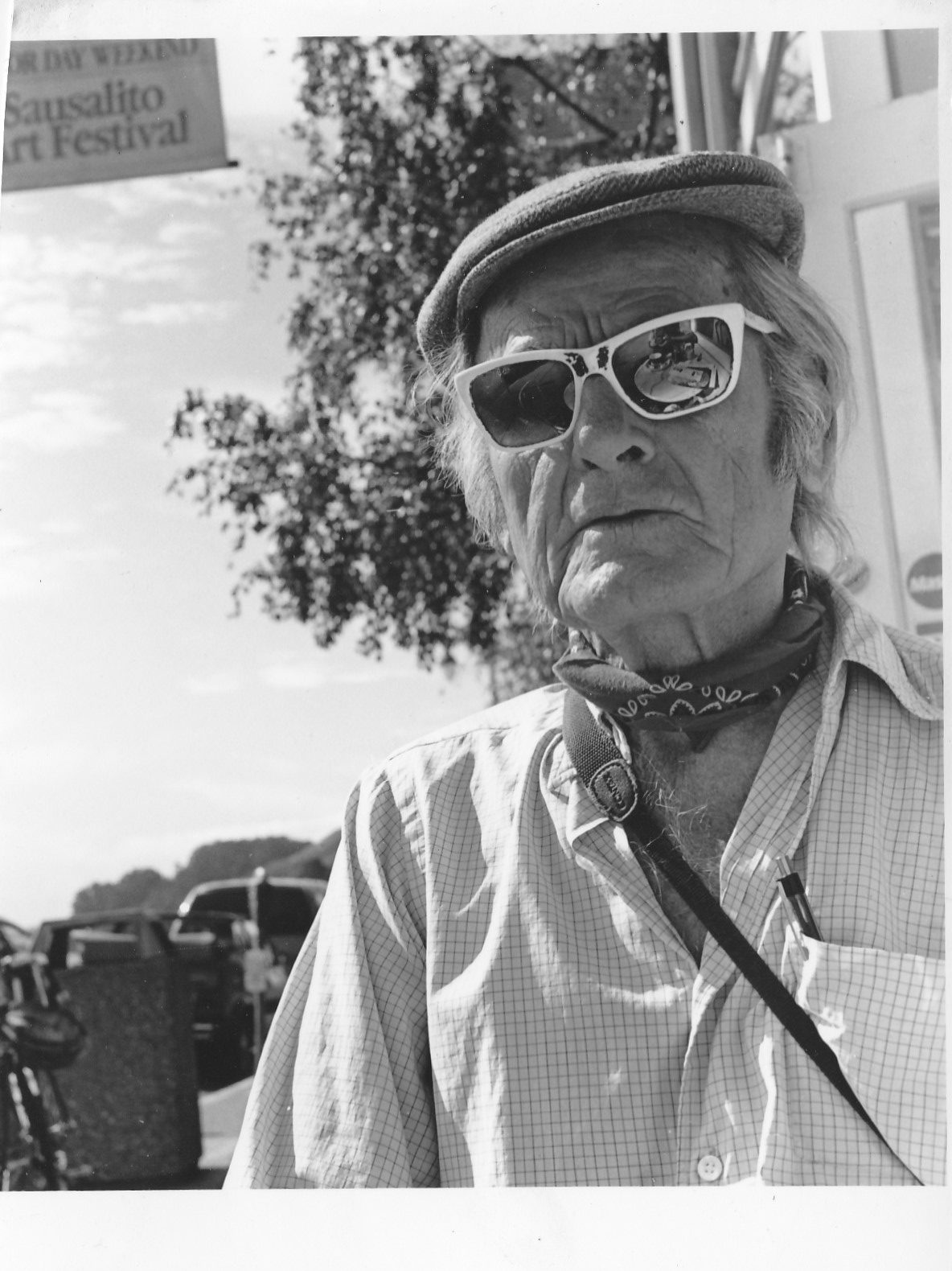
Left: Frank Lansdown, 24, working as an actor in New York in 1938. Middle: Frank photographed before he was deployed to war in Burma. Right: Frank, aged 80, living in Sausalito, California.
Eric’s mother, Carole Lansdown, supported the family by restoring antique painted furniture and painting classic decorative finishes in houses. She worked long hours in her studio, located first in the family home and later in her elegant studio on Potrero Hill. Carole grew up in western San Francisco, but moved to Tucson, Arizona, as a teenager to live with her aunt, Edith Hamlin, and uncle, Maynard Dixon, who were both well-established painters and muralists. The very musical Ronstadt family was their neighbor, and teenage Carole babysat young Linda Ronstadt and learned to play the cello.
From ages 9 to 12, Eric spent summers with his great-aunt “Edie”, traveling the Southwest, sketching, and eventually arriving at her studio/ranch in Mount Carmel, Utah. Edith was also a passionate artist, and she generously spread encouragement and support to her family. Edith was a muralist in paint, fresco, and mosaic as well as on canvas; her art remains in many buildings to this day, like Coit Tower and Mission High School in San Francisco.
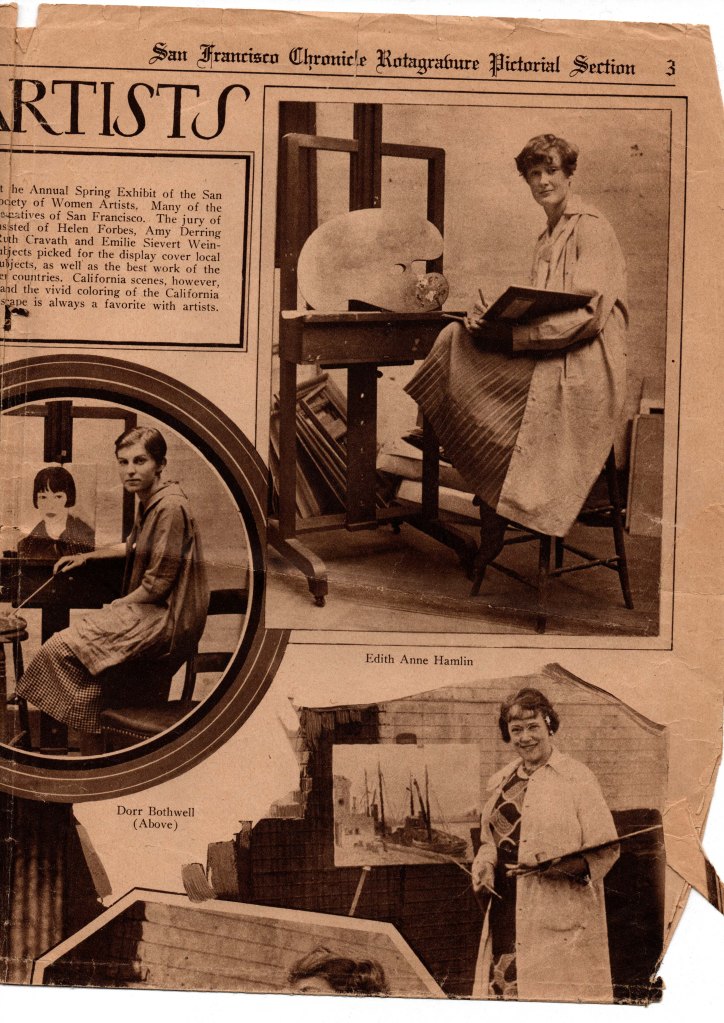
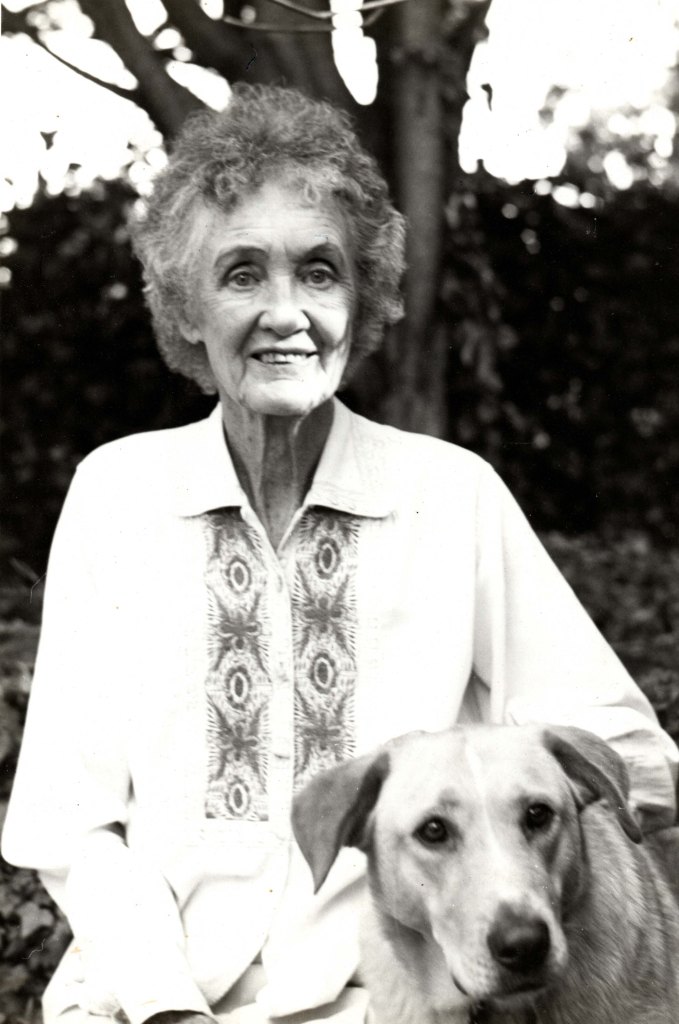
Left: Edith Hamilton featured in the San Francisco Chronicle, 1926. Right: Edie” in her later life in San Francisco.
As for Eric’s siblings, his brother, Gary, was a musician, and his sister, Christine, “Tina”, became a decorative artist, like her mother. Gary was sadly killed at the age of 19 in a fatal car accident while on his way to perform at a gig in Canada. He had trained as a classical guitarist – playing in the traditional Segovian style – and had an affinity for the bluegrass genre. On several occasions, Gary played with renowned guitarist Jorge Santana, the brother of the iconic Carlos Santana.
Youth and Early Works
Eric’s very first passion was for boats and sailing ships. His love for boats can be traced back to when he was in the first grade, aged 5, and behind on his reading skills, until his Father gave him the book Howard Chappell’s Complete Book of Wooden Boatbuilding. It fascinated him to the extent that he mastered reading quickly to understand everything in the book.
His earliest surviving creations include a drawing of a fish skeleton, done on the back of a Parisian Bakery bag, along with a mobile titled “Fish, fisherman & boat”. Eric made these when he was 5, and his father gave them to one of his clients. Eric rediscovered both of these works when they were hanging in New York many years later, at one of Eric’s dollhouse clients.
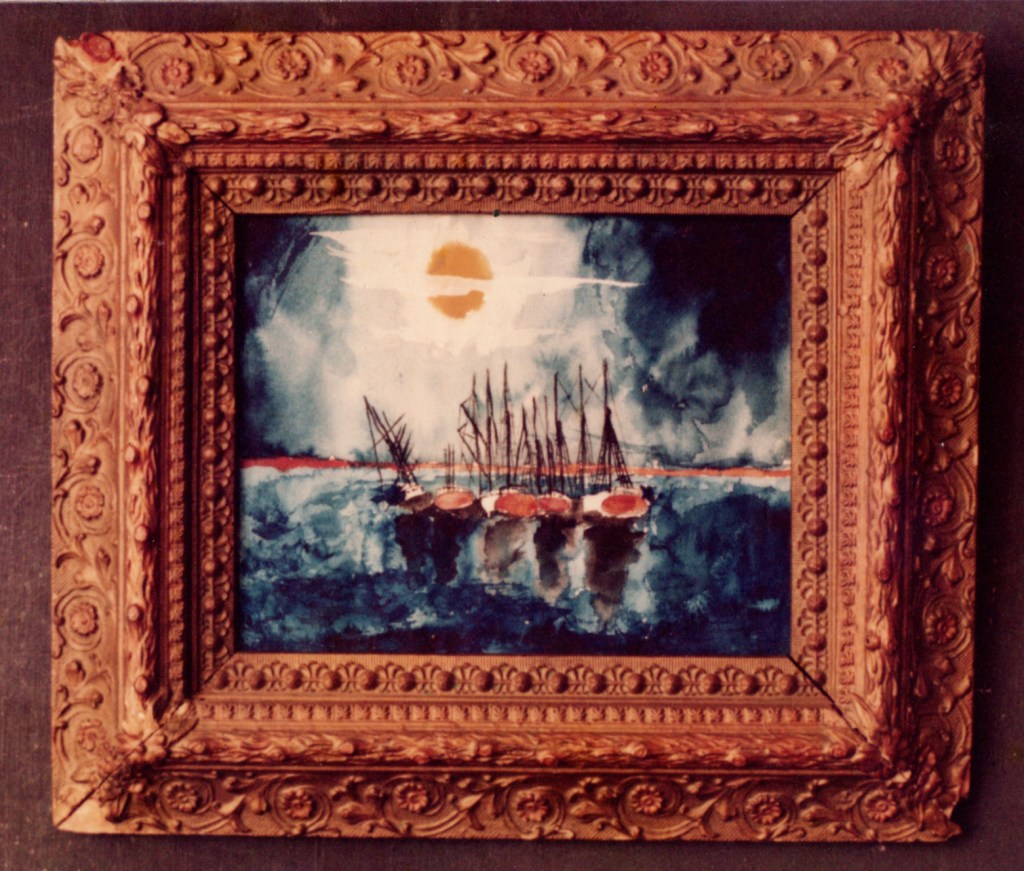
Painting by Eric, aged 9. Depicts a fleet of sailing ships in the San Francisco bay that were left and abandoned during the Gold Rush.
From ages 11 to 13, while attending James Lick Junior High, Eric began taking metal and machine-shop classes. At 13, he returned to the woodshop, his primary interest, and used school facilities to build a model lapstrake rowboat. As a result, he was offered a job at Aeolus Boats in Davenport, California, at age 14. There, he built a prototype double-ended lap-strake rowing boat, which the company subsequently manufactured based on his original patterns. In 1965, Eric took over a derelict garage across from his family’s home on Castro Street and set up his own independent boat-repair enterprise there.
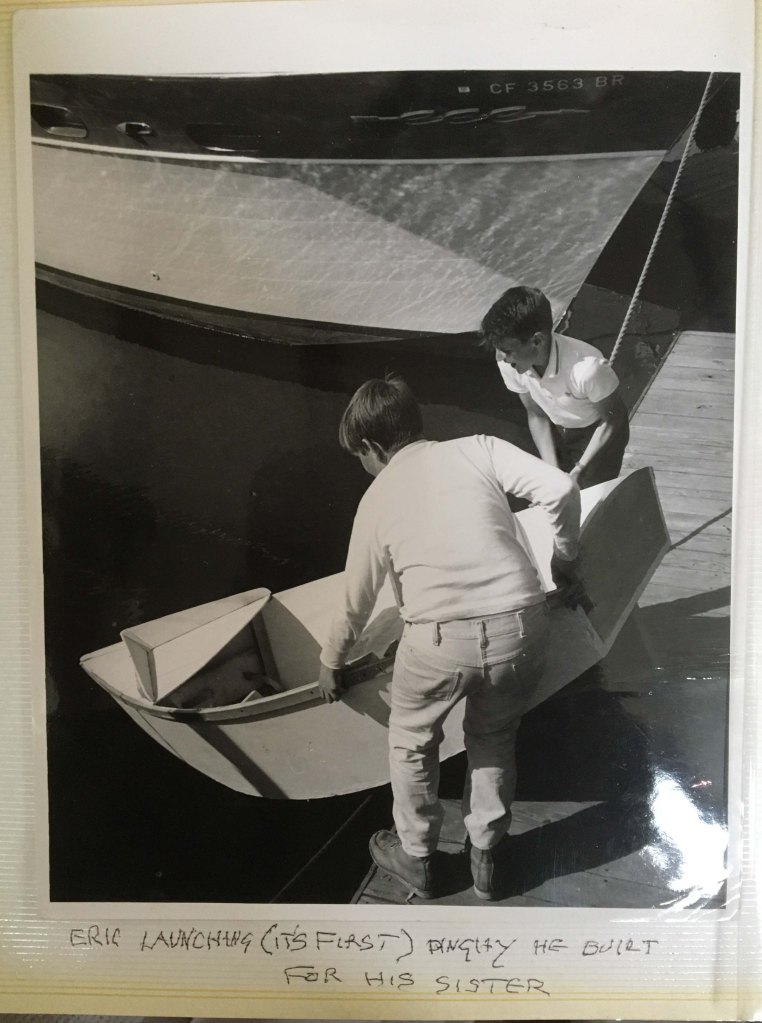
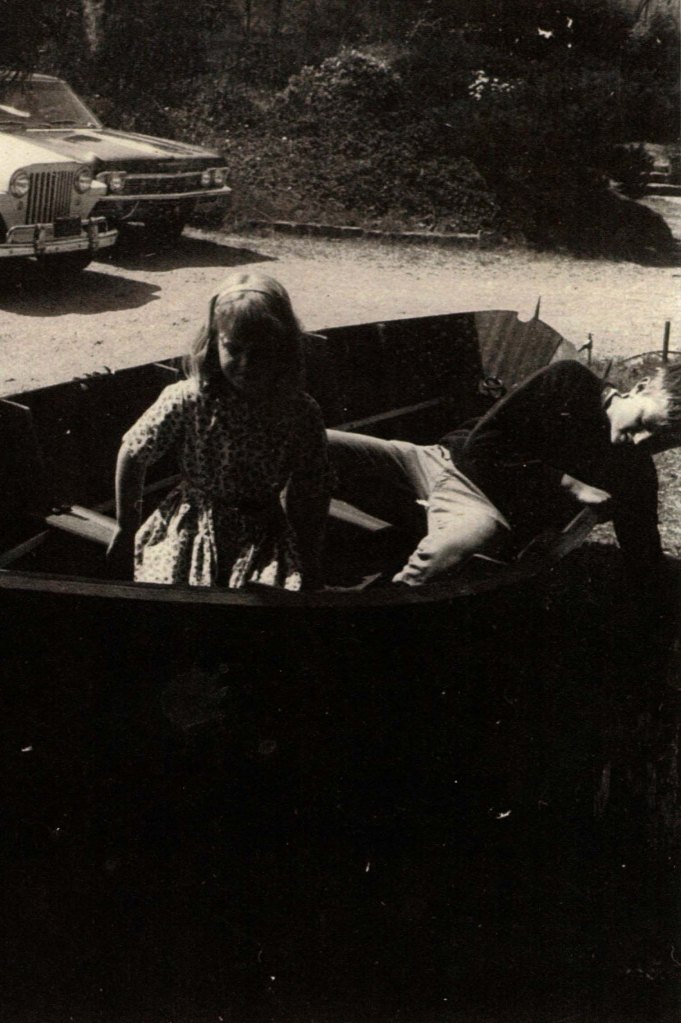
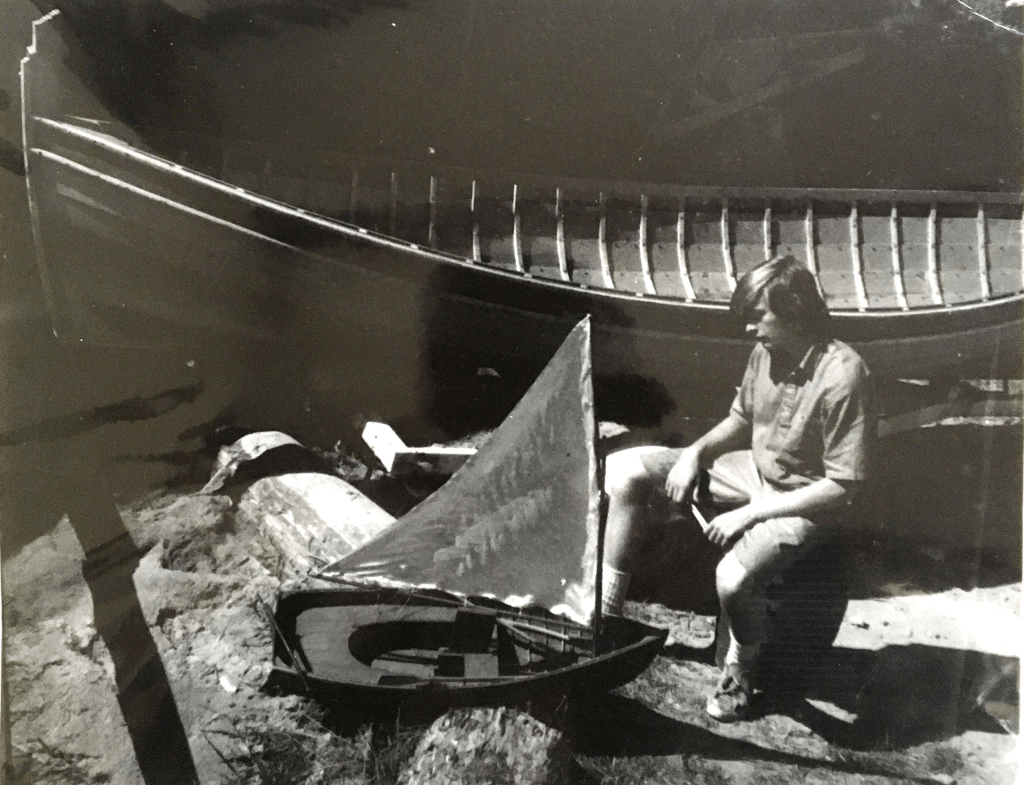
Top left: The first boat Eric ever built. Top middle: Eric, 13, holding his dory. Top right: The Lapstrake model that Eric designed for Aeolus Boats with Eric and Tina inside.
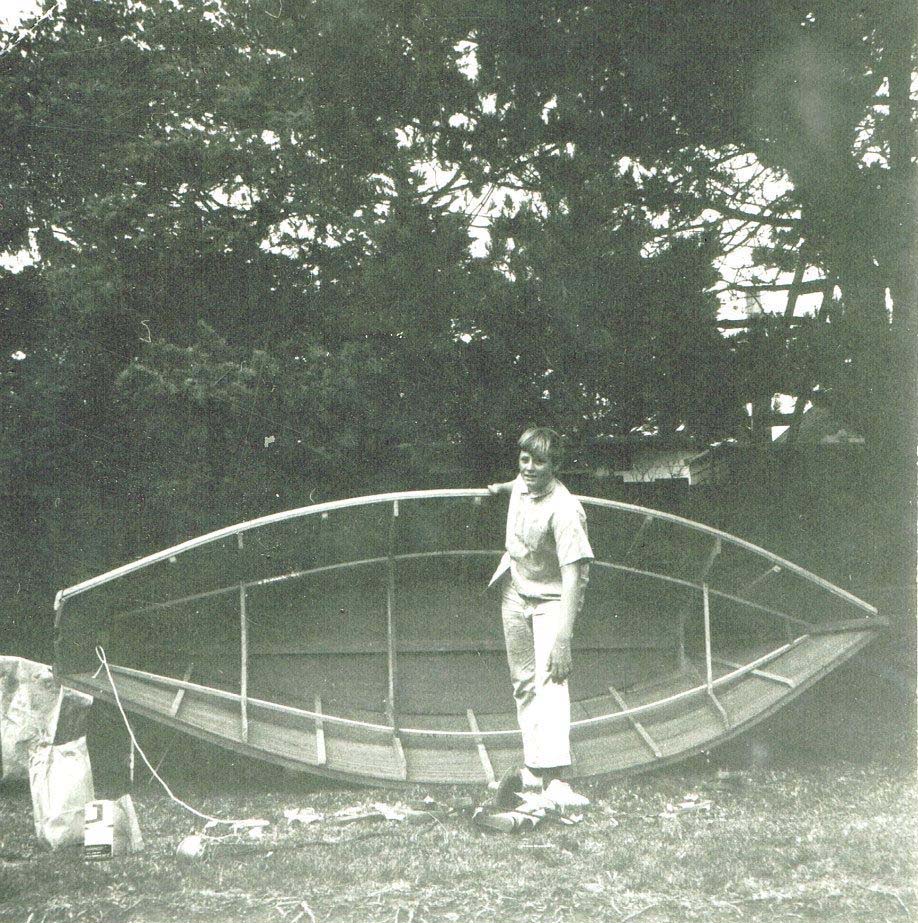
Bottom: Eric, 14, in front of a double-ended Lapstrake rowboat he built at Aeolus.
By 1967, Eric planned to become a naval architect; however, he failed the entrance exams for the Lick-Wilmerding boys’ school for engineers due to poor spelling. He was allowed to retake the test at the end of that summer because he had placed in the top 2% of applicants thanks to his engineering aptitude. The second time, he and others failed for the same reasons. The entry system has since evolved. Eric ended up at Mission High, a public high school in San Francisco with a notorious reputation, especially during the Vietnam War era.
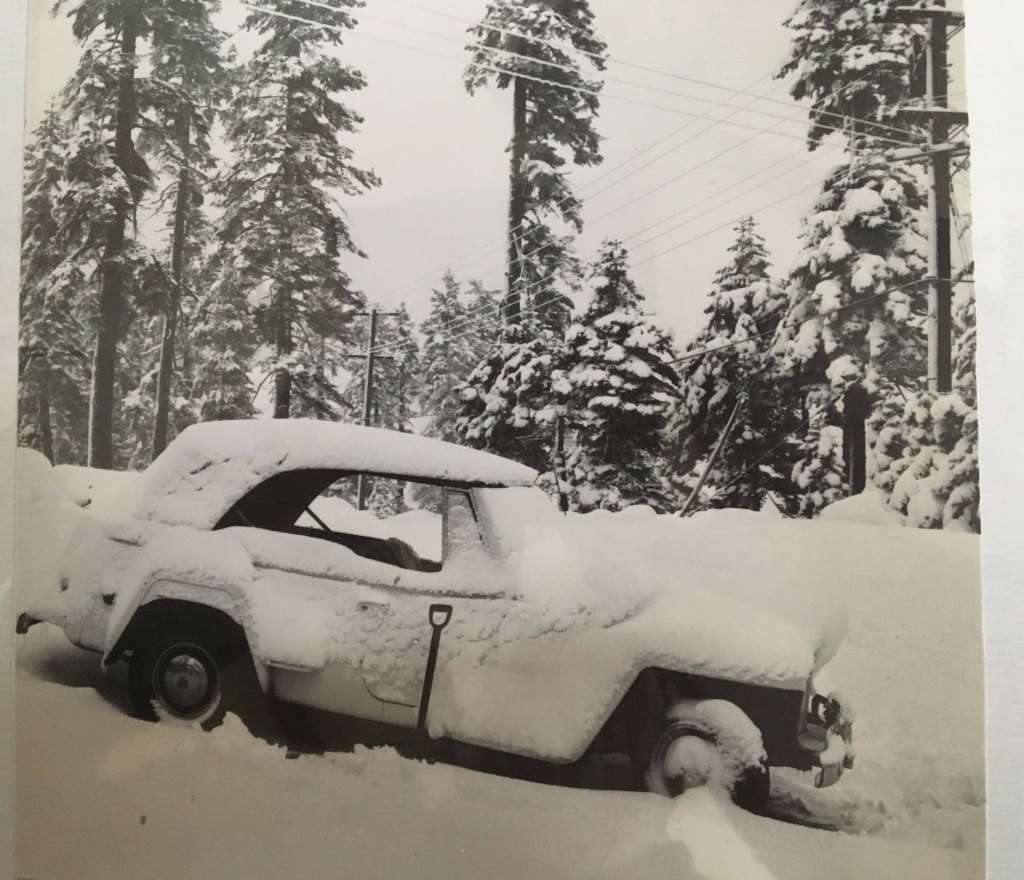
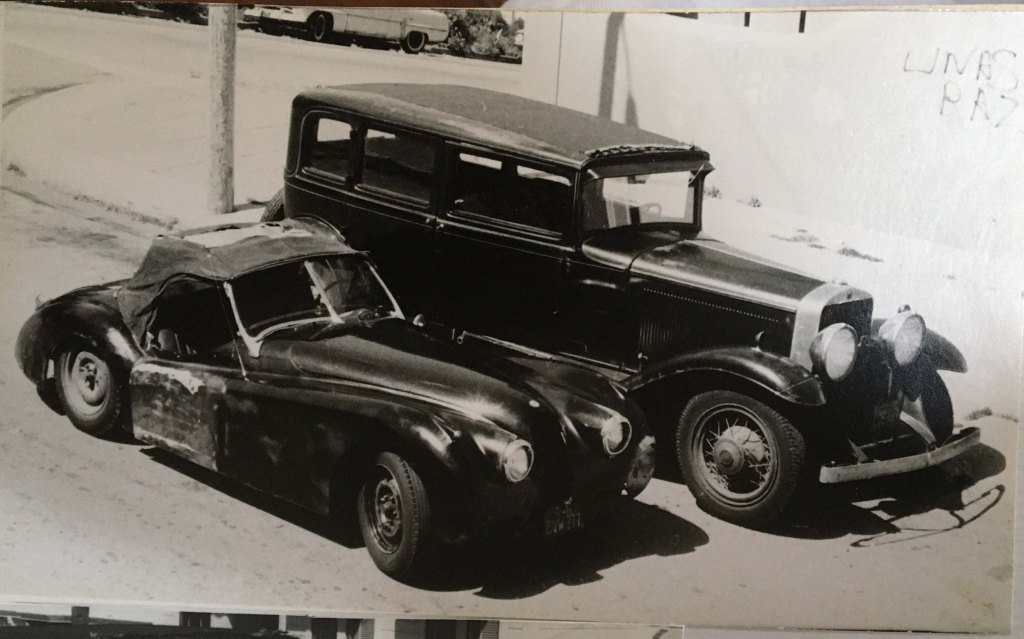
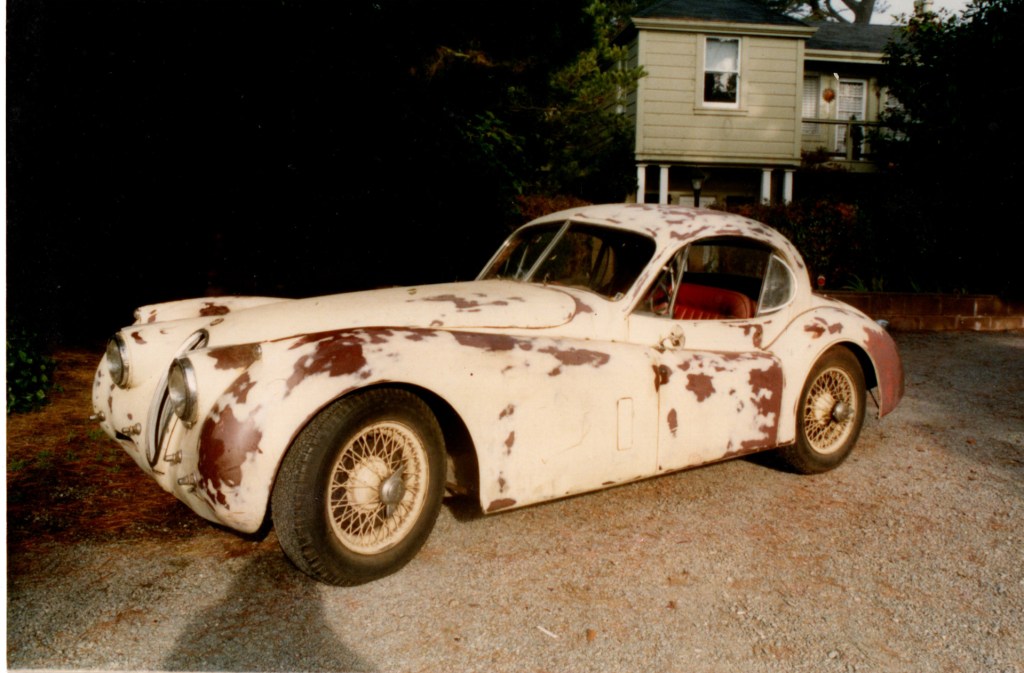
Antique cars once owned and restored by Eric.
Eric spent most of his time at Mission High taking machine shop classes. He attended night school to fit in additional shop hours. Eric completed all the mechanical drawing studies that Mission High had to offer in one semester, no surprise considering he had already studied boat design with naval architects in Sausalito, where his father lived on a houseboat.
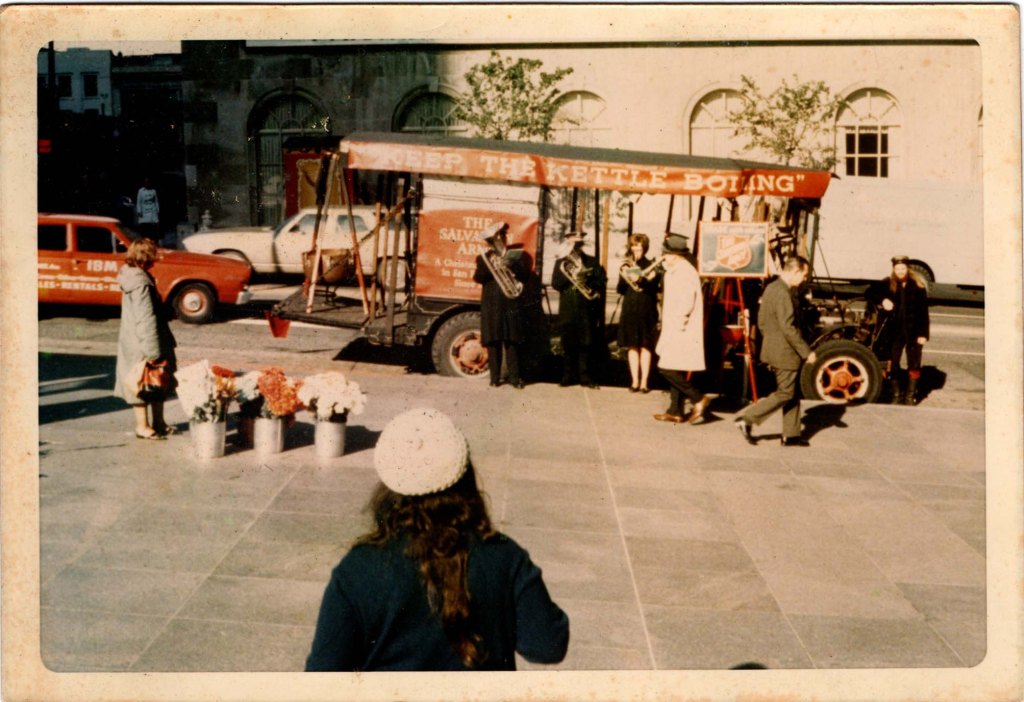
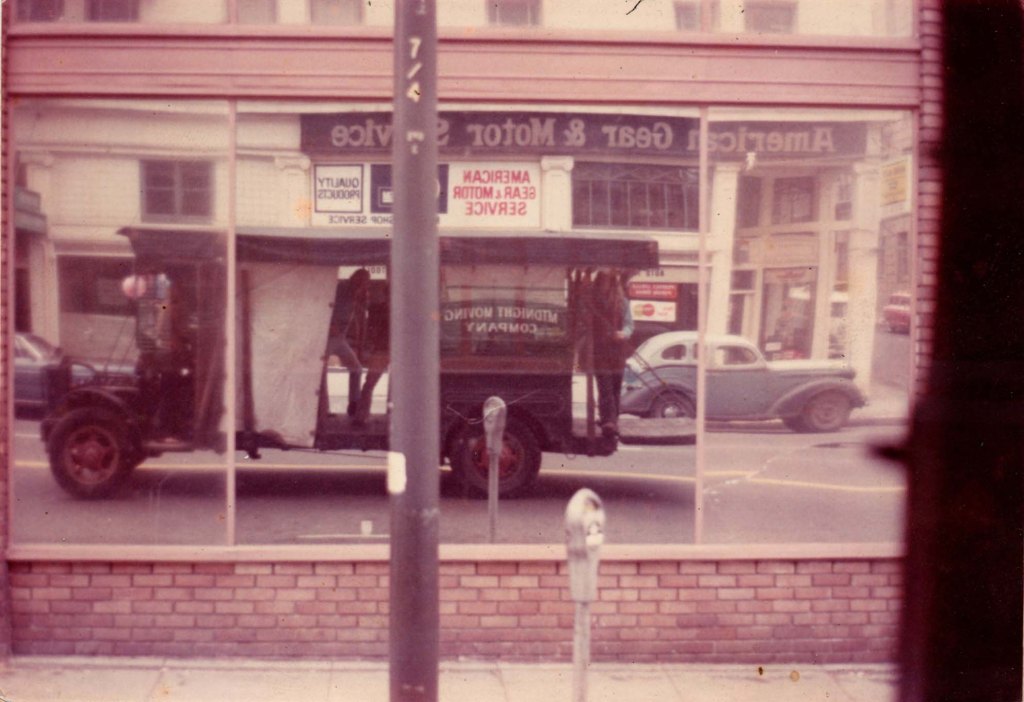
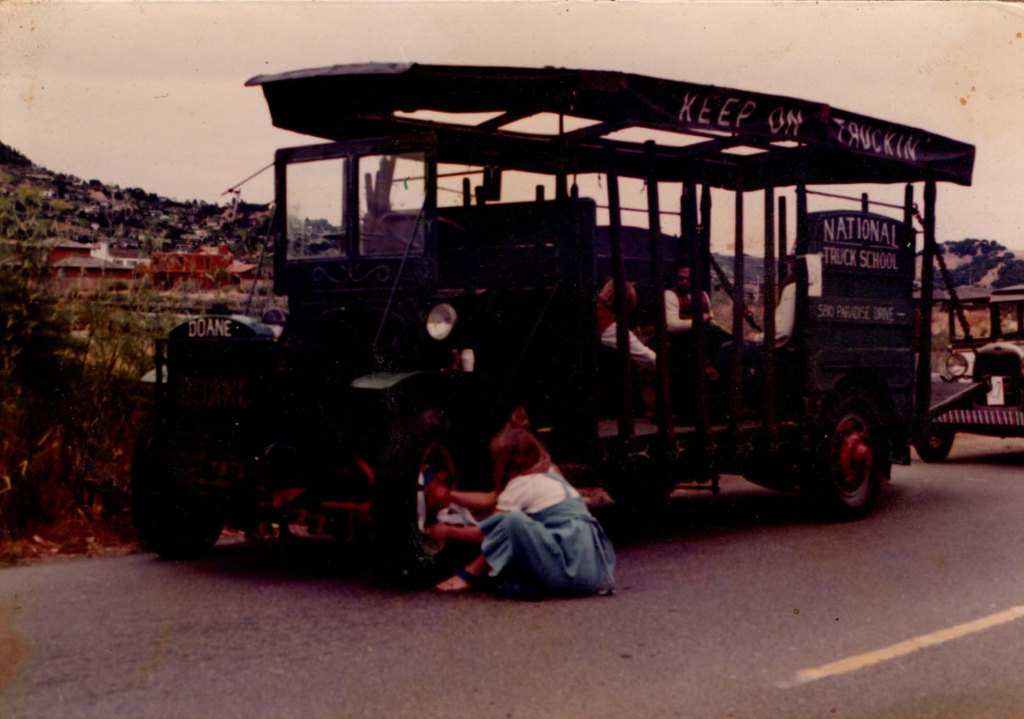
At the age of 16, Eric applied for his driving license and totally shifted his focus from boats to antique cars and trucks. He was taking shop classes and made new parts for his old truck, the DOANE, which was built in San Francisco in 1923. Once Eric had given it new life, the DOANE became a real work of art and quite a performance. Eric rented it to the Salvation Army to carry their brass band during the Christmas season. Eric drove the Doane, a 1929 Cadillac, or a 1952 Jag 120 to school. Eric and his friends rode the Doane in many parades in San Francisco, Marin, and Sonoma, and even to the Rolling Stones concert at Altamont.
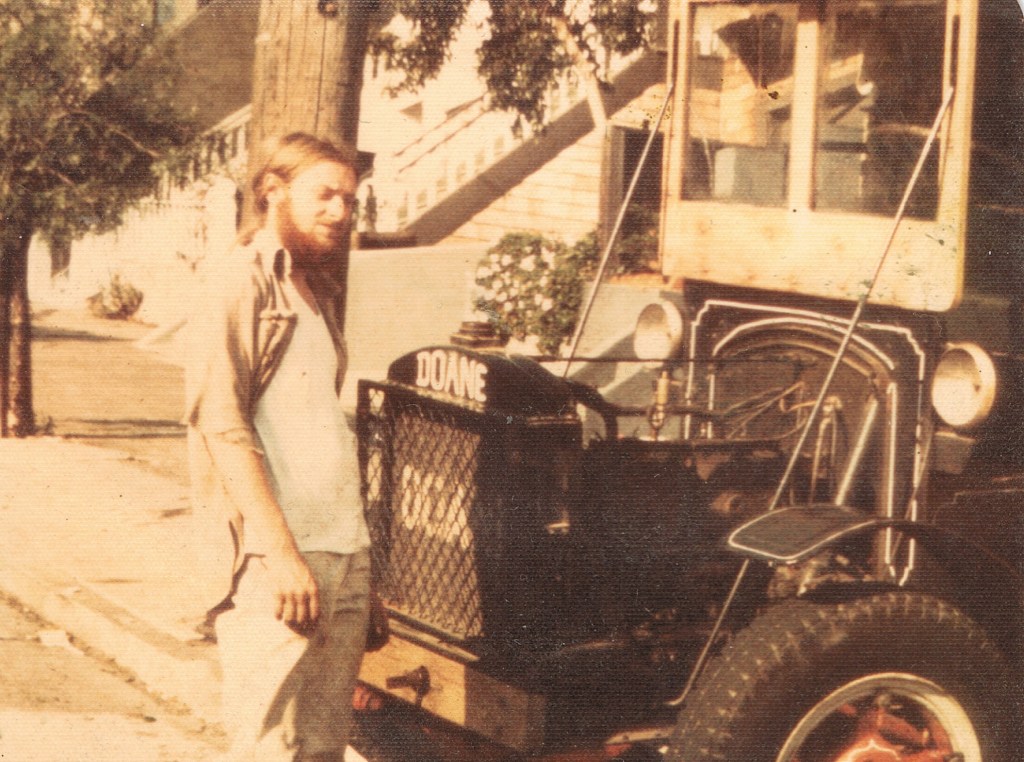
After graduating, Eric continued to restore antique cars for about a year. He used some of the money from this venture to buy a semi-tractor to support his new family. He now had two daughters, Jessica and Bianca, with his partner, Victoria, “Tory”, who relied upon him for a steady source of income, which meant he had to get serious about his financial prospects. The family moved to a storefront on Potrero Hill in San Francisco, while Eric got a job working for demolition companies, driving big trucks and heavy machinery.
The Beginning of the Dollhouse Chapter and Construction of the Dollhouse Ship
Eric’s life adventures took new and unexpected turns after high school, going from a well-paid heavy equipment operator and demolition man to an artist who purchased a sunken ship and started a dollhouse art studio.
While Eric was a skilled heavy equipment operator, work was slow during the winter, and this unpaid downtime inspired Eric to build his first dollhouse to sell. The need to pay rent, put food on the table, and, hopefully, have enough left over to afford a Christmas tree for his young children before Christmas was the original motivation. Eric needed the money, so he turned to his art, the family’s traditional means of support.
Eric built his first dollhouse in the winter of 1973 from a fish box he found in Chinatown. It was light blue with carved ornaments, colored glass, and painted details.
Eric sold the house to Lillian Williams Antiques on Montgomery Street, a French antiques dealer and a client of Eric’s mother. Lillian Williams went on to become Eric’s first birdcage client, starting with a duplicate of a French antique. Eric proposed his own designs, which Lillian then promised to buy whatever he could produce. Eric’s first cage became a permanent feature in the window display of her shop on Montgomery Street. It became clear that life as an artist was much better than working for somebody else. Eric resigned from the demolition company to pursue a full-time career making dollhouses and birdcages.
It was around this time that Eric came across a sunken 90-foot fishing boat in the Anderson & Cristofani boatyard in San Francisco and decided to transform the shipwreck into a houseboat/studio. Since the boat had been sunk for a year, it was quite cheap. With help from the boatyard and friends who came along, they hauled the boat out, patched and painted the bottom, and towed it to its new home at Pier 42 on the San Francisco waterfront.
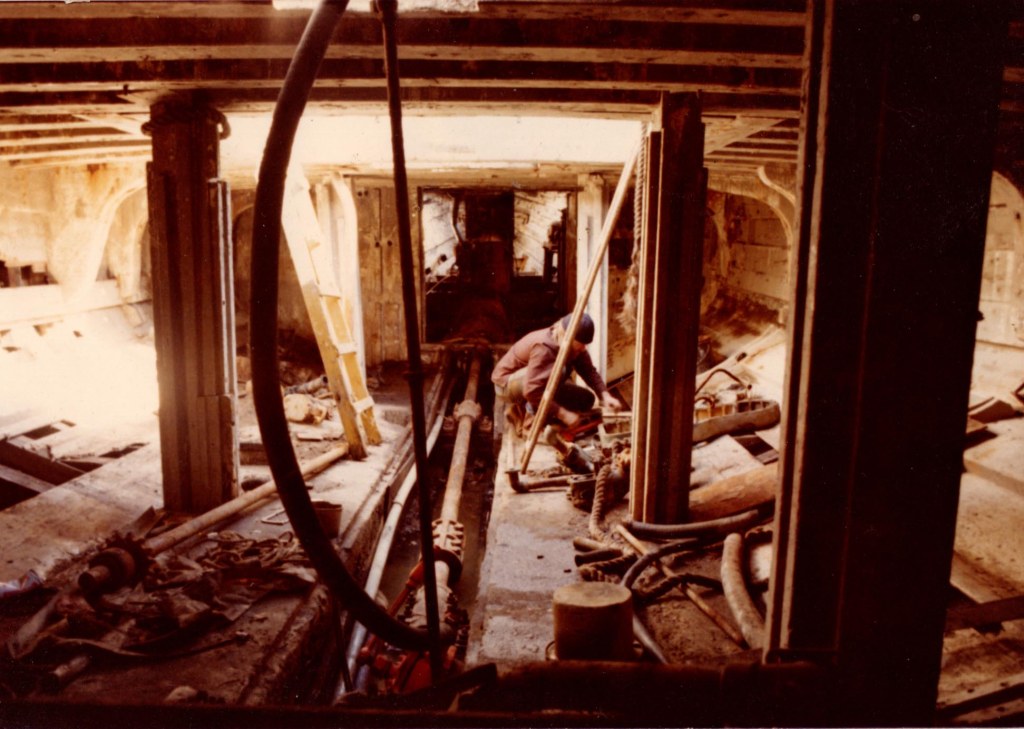
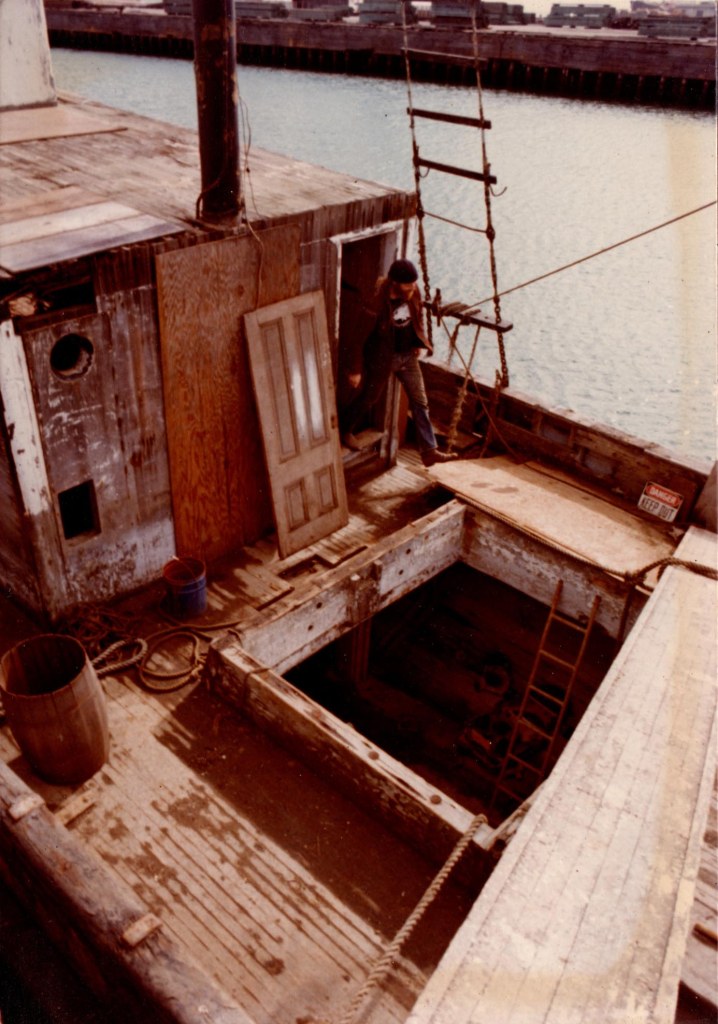
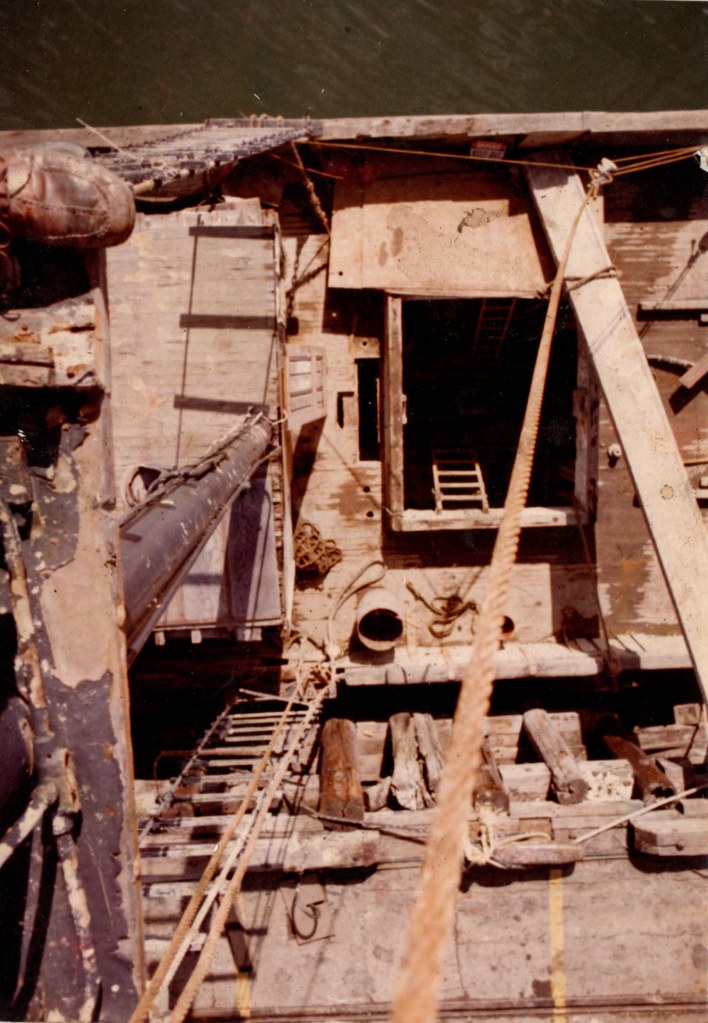
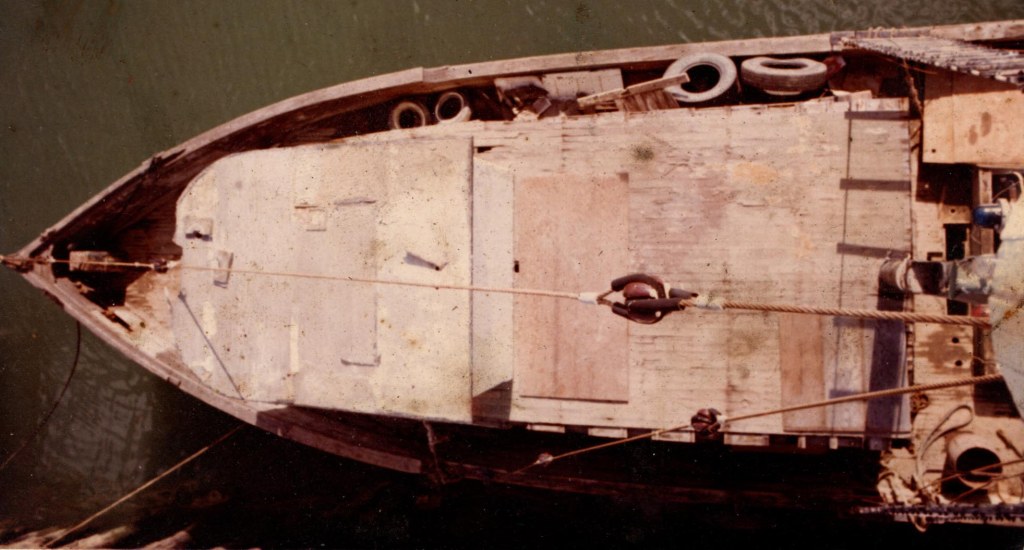
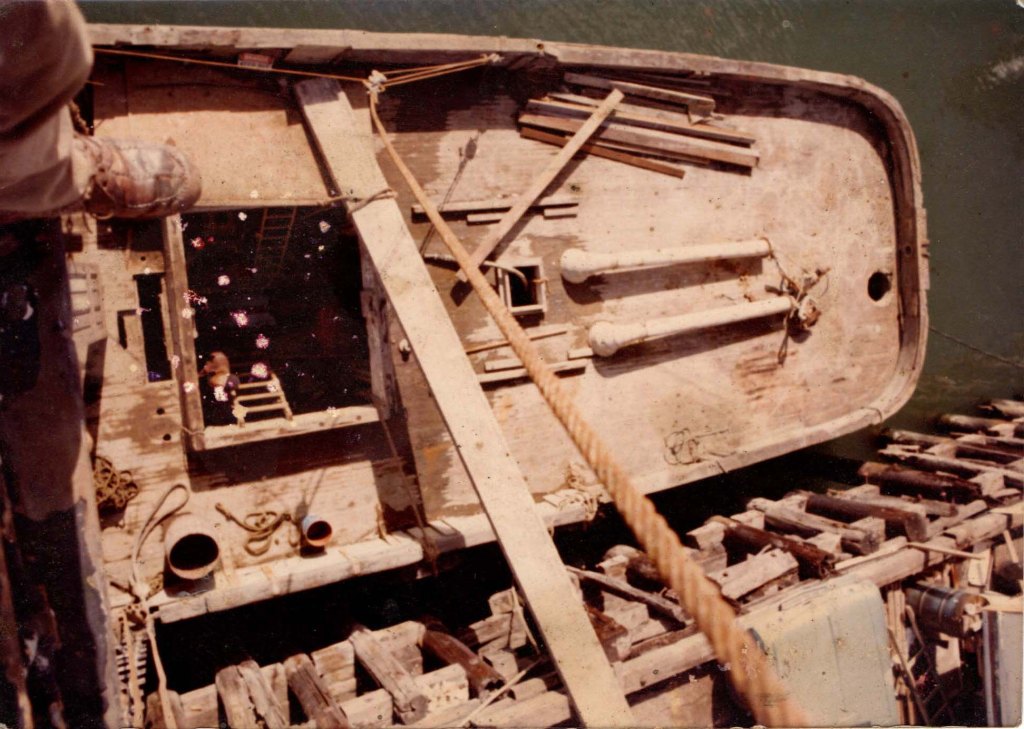
Due to the ship’s unsightly condition, the pier owner immediately evicted Eric on a Friday afternoon. However, by Monday morning, Eric and his friends had once again gathered, cleaned, and repainted the entire side of the boat facing the pier. Hauling out fire hoses, barrels of paint, copious amounts of plaster and papier-mâché, they cosmetically renovated the pier side from top to the waterline in just two days. Monday morning, the owner came and said, “If you can do that, I guess you can stay”.

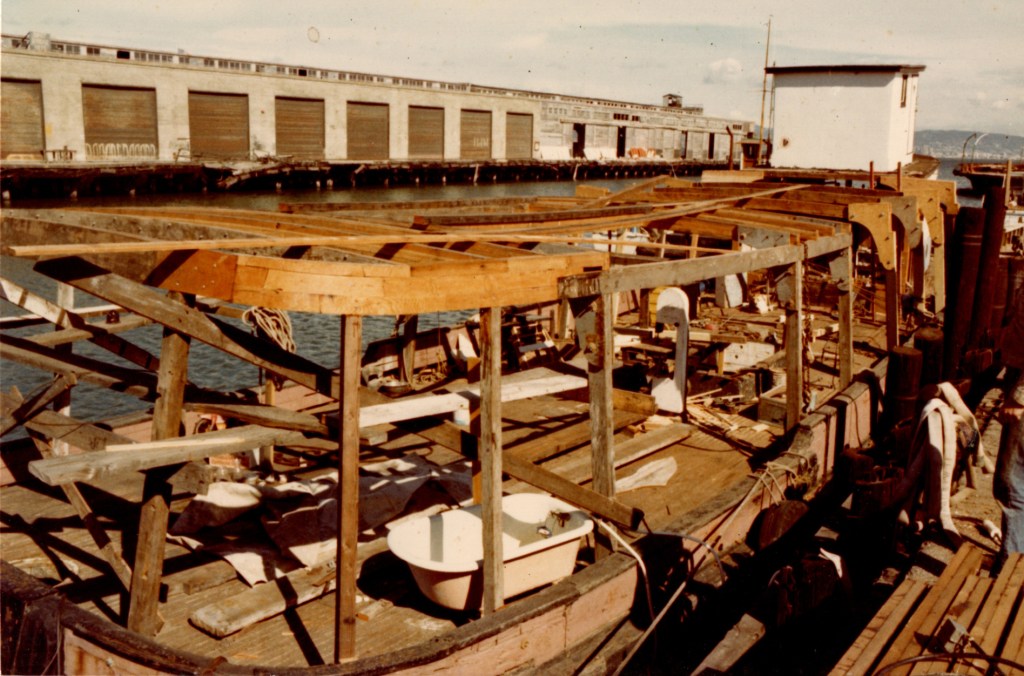

The photo to the left shows the boat in 1977. It is the earliest surviving photograph of Eric’s floating studio, and you can just about see him in the cabin working on a birdcage.
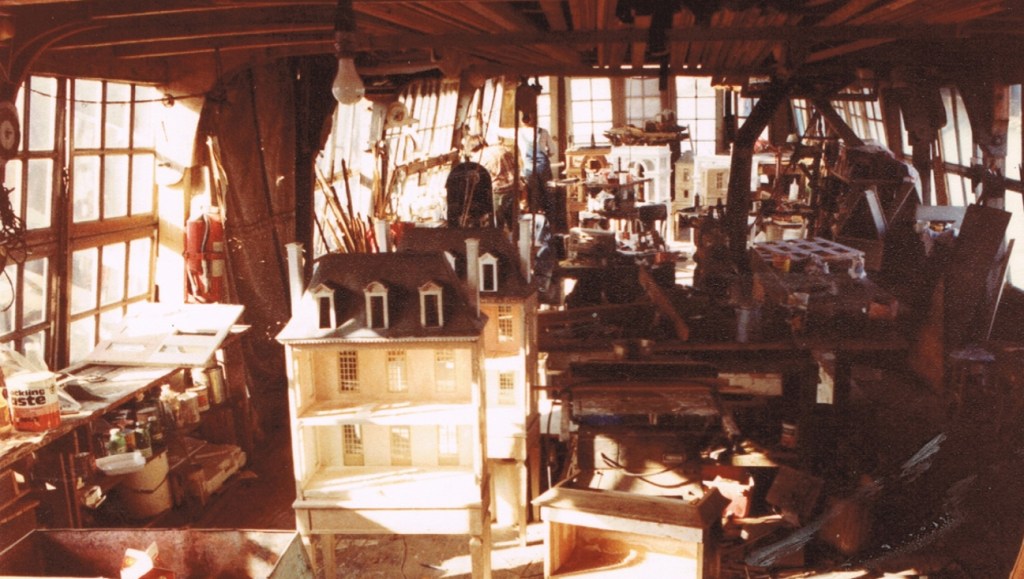
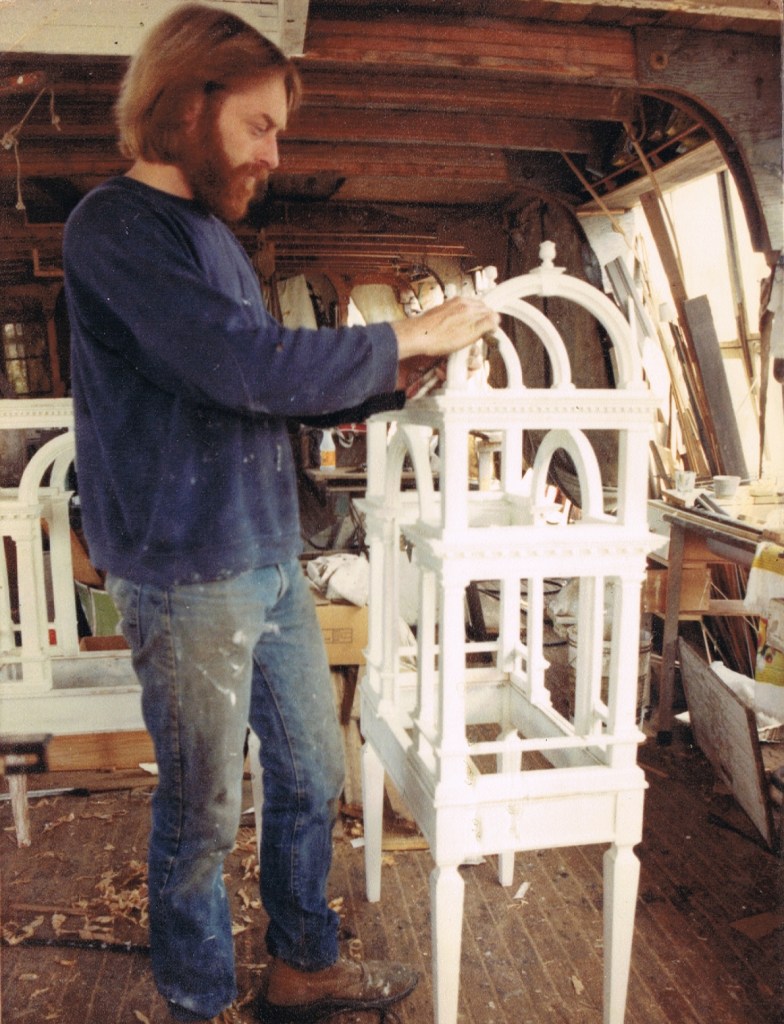
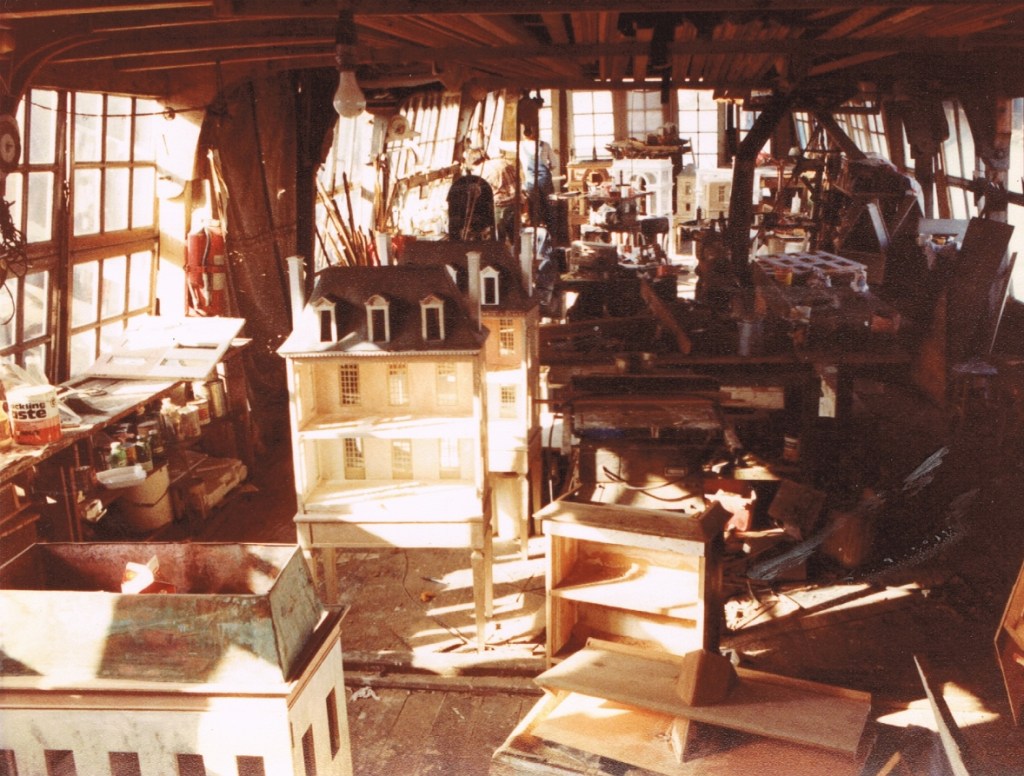
By 1978, Eric was living on the boat while building his dollhouses and bird cages. Before long, news of the dollhouse artist living on an old boat at Pier 42 had spread to journalists, who latched onto the very picturesque story. At the start, Eric set up his studio inside the boat’s existing cabin. The main deck was soon covered with a tent roof, becoming the new home of the dollhouse workshop. By 1980, Eric had built a solid roof over the studio. The old fishing boat then resembled an old steamer, one filled with sawdust and dollhouses nonetheless.
Hunters Point Shipyard and Expansion of the Business
Eric’s work became increasingly popular throughout the 1980s, acquiring write-ups in publications and being featured in high-end shop windows across San Francisco.
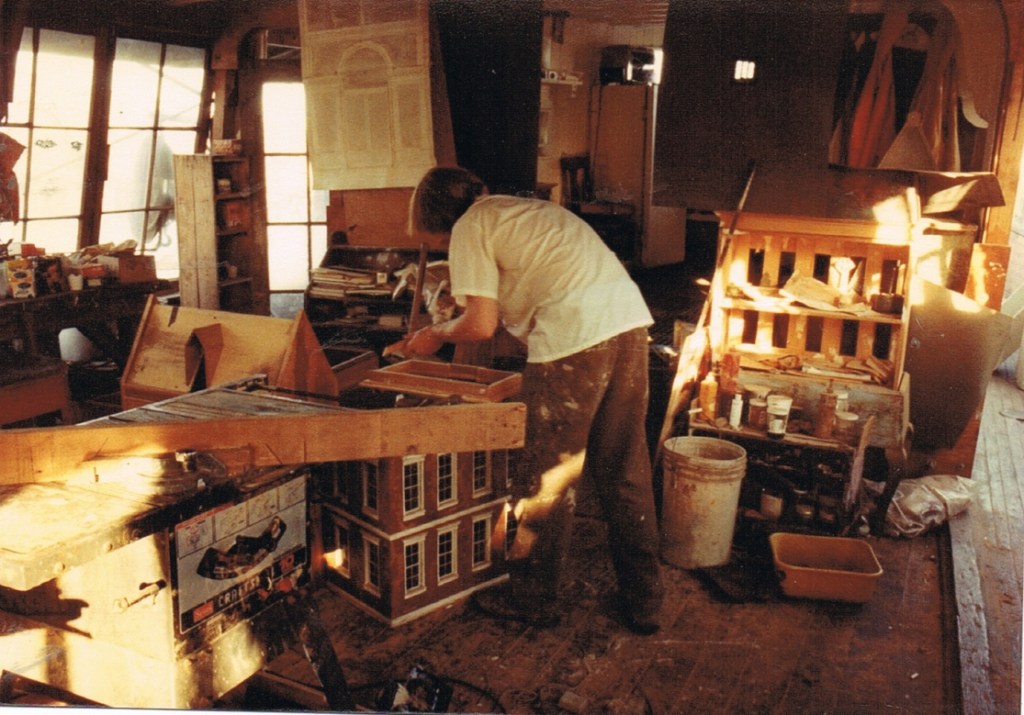
By the early 1980s, Eric’s business had expanded, and he needed a larger workshop. He settled in Hunters Point shipyard, which houses an extensive collection of artist studios.
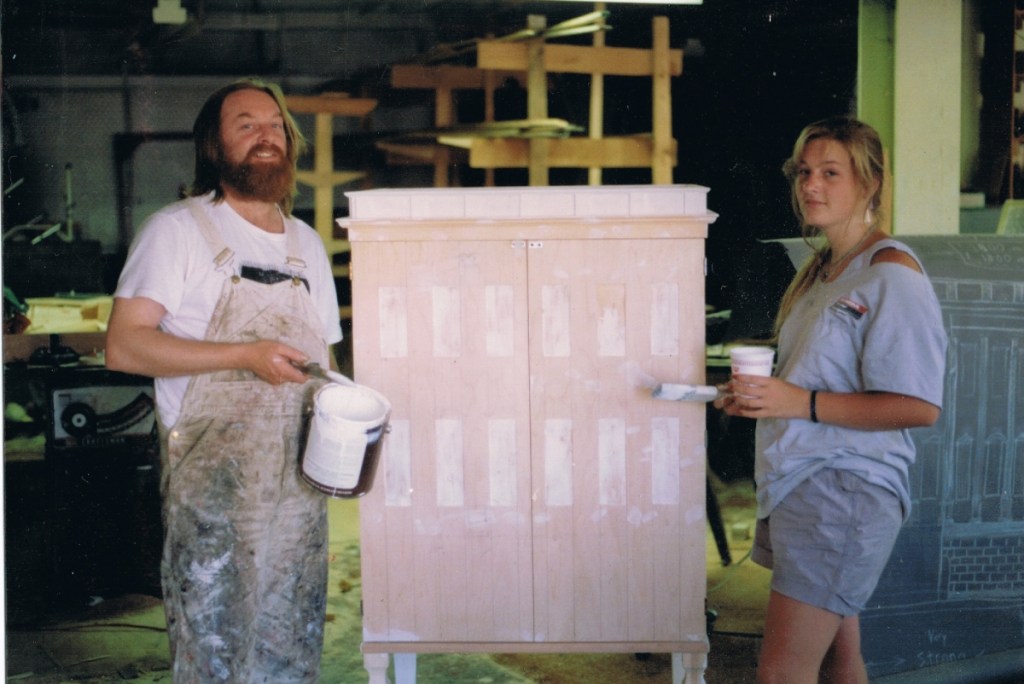
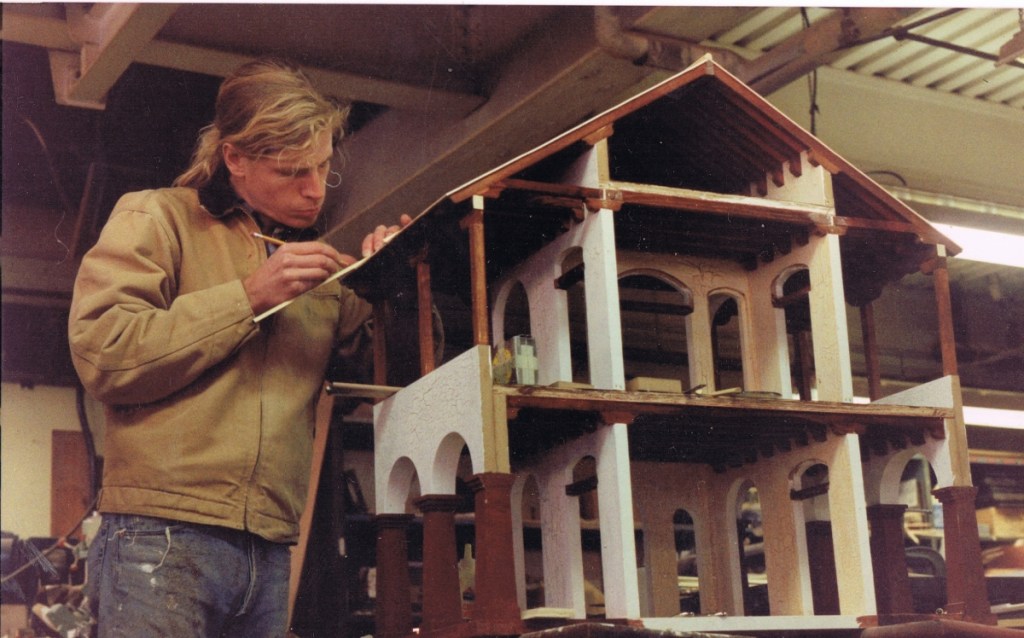
Left: Eric and his daughter Jessica painting a television cabinet. Right: Alan Farmer painting a Hacienda dollhouse.
In the following years, Eric’s work featured in multiple prestigious publications, including Architectural Digest and The New York Times, which led to large contracts with high-end retailers and catalog companies. At this time, he also worked with two agents who represented him and sold his work at trade shows. However, after trying this approach for a while, Eric decided he was better off managing his business independently.
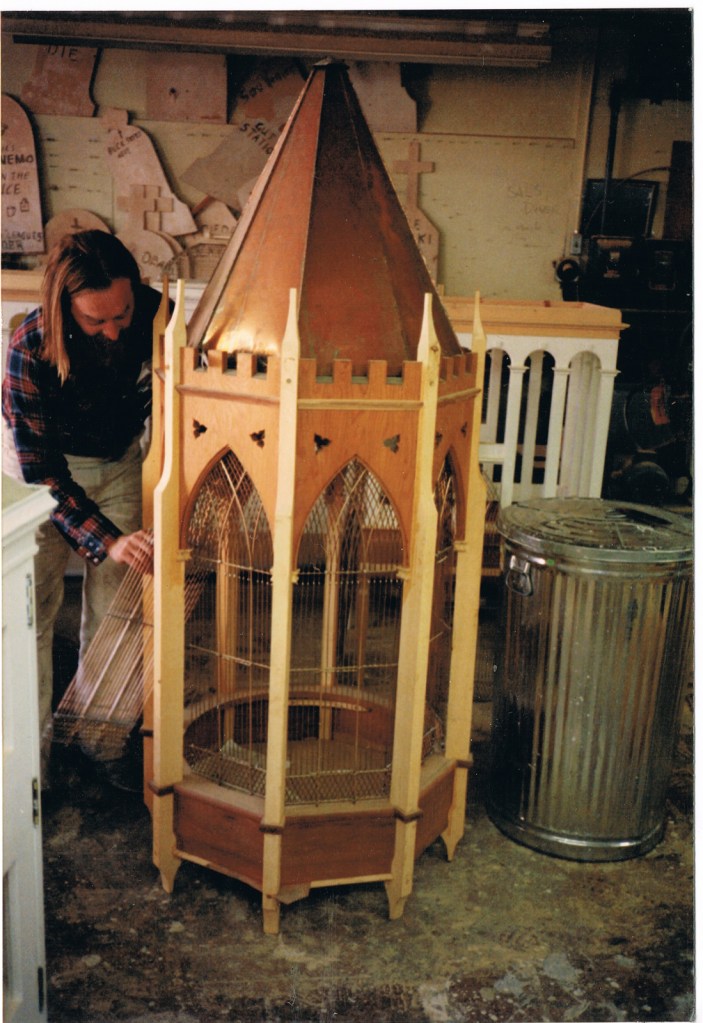
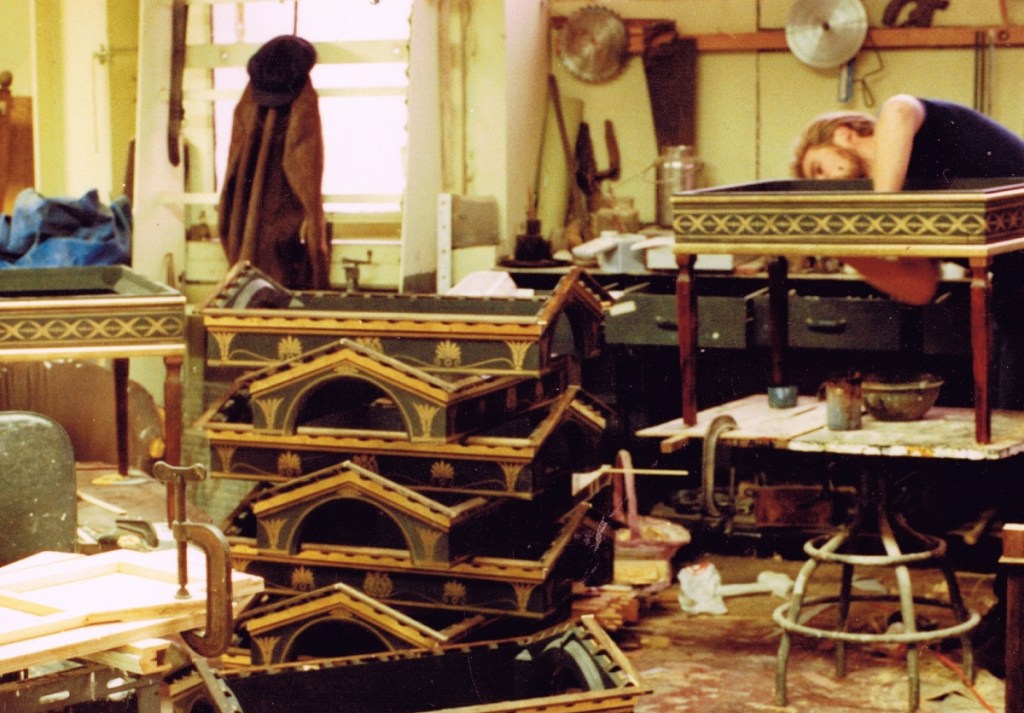
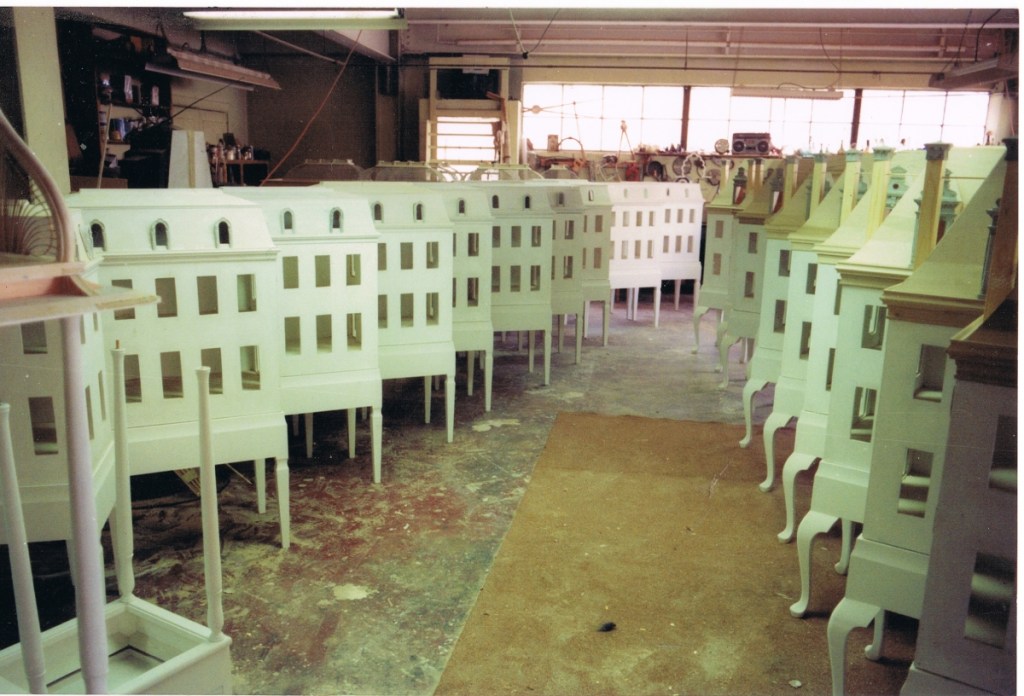
Left: Eric working on a Gothic Octagon Dollhouse in his studio at the Hunters Point shipyard. Middle: Tom Skinner working on Regency bird cage roofs. Right: A Line of Chateau dollhouses painted white in mid-production in Eric’s new expanded space
During the mid-1980s, Eric attended trade shows worldwide. New York emerged as the primary site for art wholesale and became Eric’s principal show venue. Eric created hundreds of pieces that he sold to retailers during this time, but found that his genuine pride and pleasure were in making dollhouses for people, rather than in big business. Eric was becoming disenchanted with the dollhouse production factory model, even though architectural art was, and continues to be, one of his true passions.

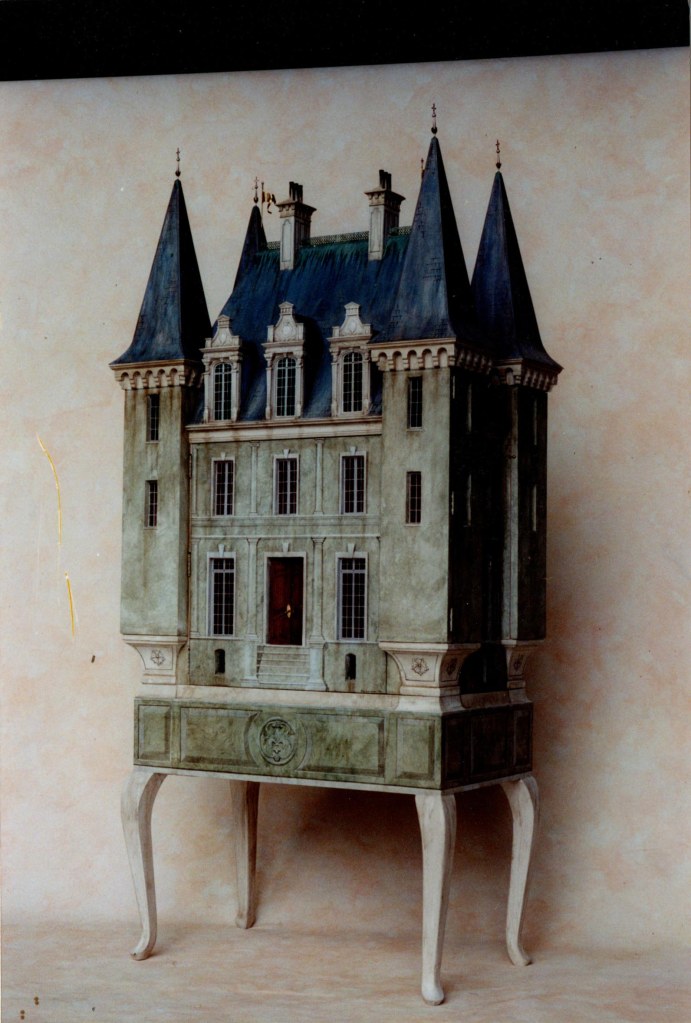
Above: A chateau dollhouse before and after its final completion.
A New Life in France
In 1990, Eric met an inspirational woman and fellow artist who would ultimately lead him to move to France.
During the early 1990s, Eric explored Southwestern France in search of a place to start over. In 1994, he bought a large dilapidated house in Roujan, near Béziers. Eric had been dividing his time between France and his hometown of San Francisco, but in 1994, he moved to France full-time. He paused the dollhouse business and devoted his time to the house in Roujan, building holiday apartments. The original airbnbs were called Gites in France, and it worked well before the Internet.
The French used ‘Minitel’, which slowed the Internet’s introduction, significantly adding to Eric’s advantage. The gites featured old furniture and fabrics, including embroidered cushions and bedspreads, and the walls were hand-painted with detailing by Jessica Lansdown and her friends.
During this time, Eric initiated a work exchange program to undertake further renovations on the house and its neighboring buildings. This was a “work away” program before Workaway.
The Brewery Chapter
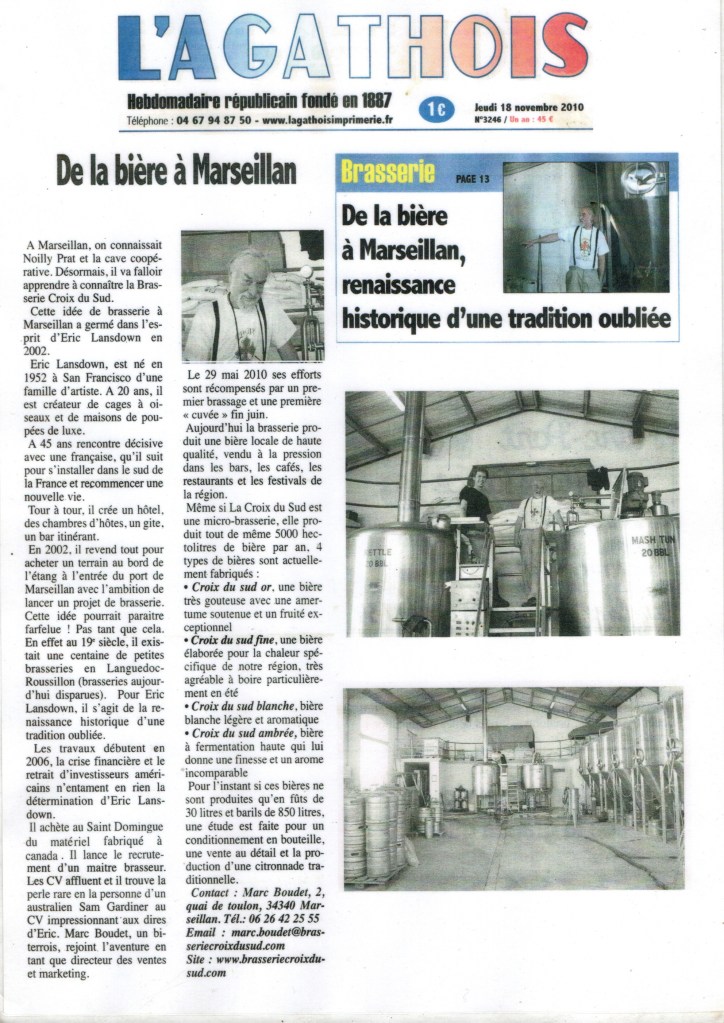
Eric had always been fascinated by traditional French châteaux; it was his great dream to own one collectively. There were a great number of them that remained uninhabited in and around where he was living in the Hérault department of the Languedoc-Roussillon region. The uninhabited châteaux were markers of what had once been large estates. For several years, Eric tried to find an economic solution to support the old châteaux buildings. He finally settled on the idea of installing a brewery in the old winery buildings that all of the châteaux in the region have. After a lengthy campaign, he eventually secured the support of a bank and several investors, but only on the condition that the chateau be removed from the plan. Eric started and operated a microbrewery (7000 HL/annual capacity) called La Croix du Sud from 2000 to 2014, serving local bars and festivals in Southwest France. He retired in 2014 and moved back to focusing on his craft, magnificent dollhouses- now better than ever.

The Gabian Chapter
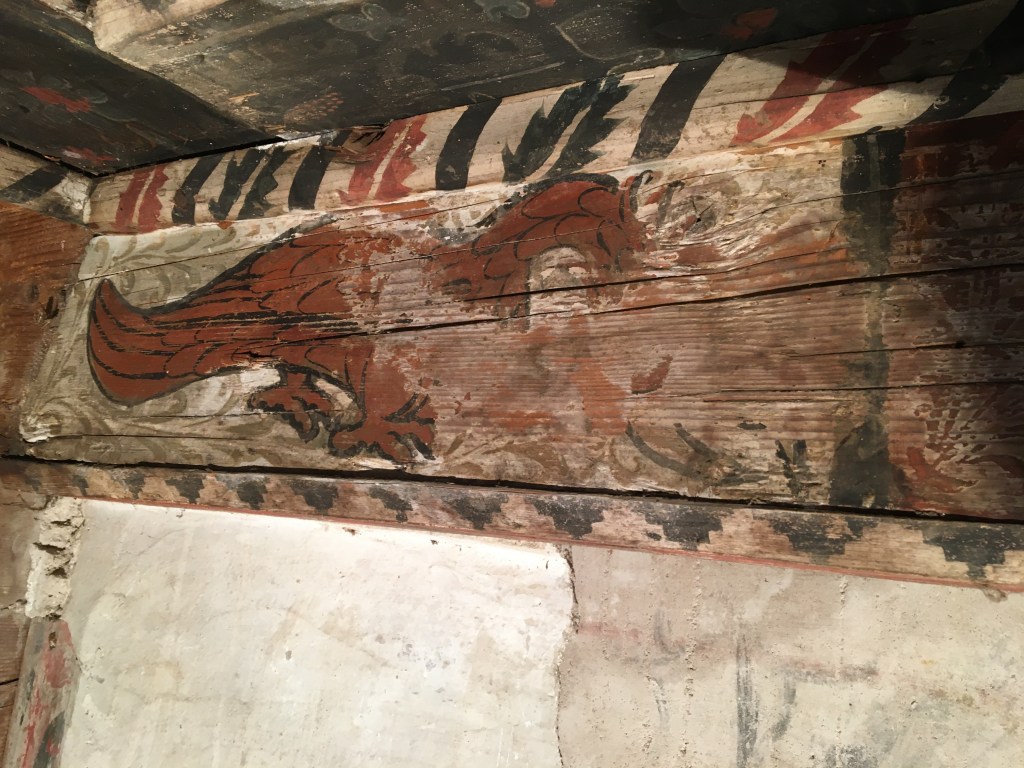
Eric returned to building dollhouses in 2014 at his new studio in Abescat de Gabian, a remarkable building with a historic Occitanie-painted ceiling from the 15th century.
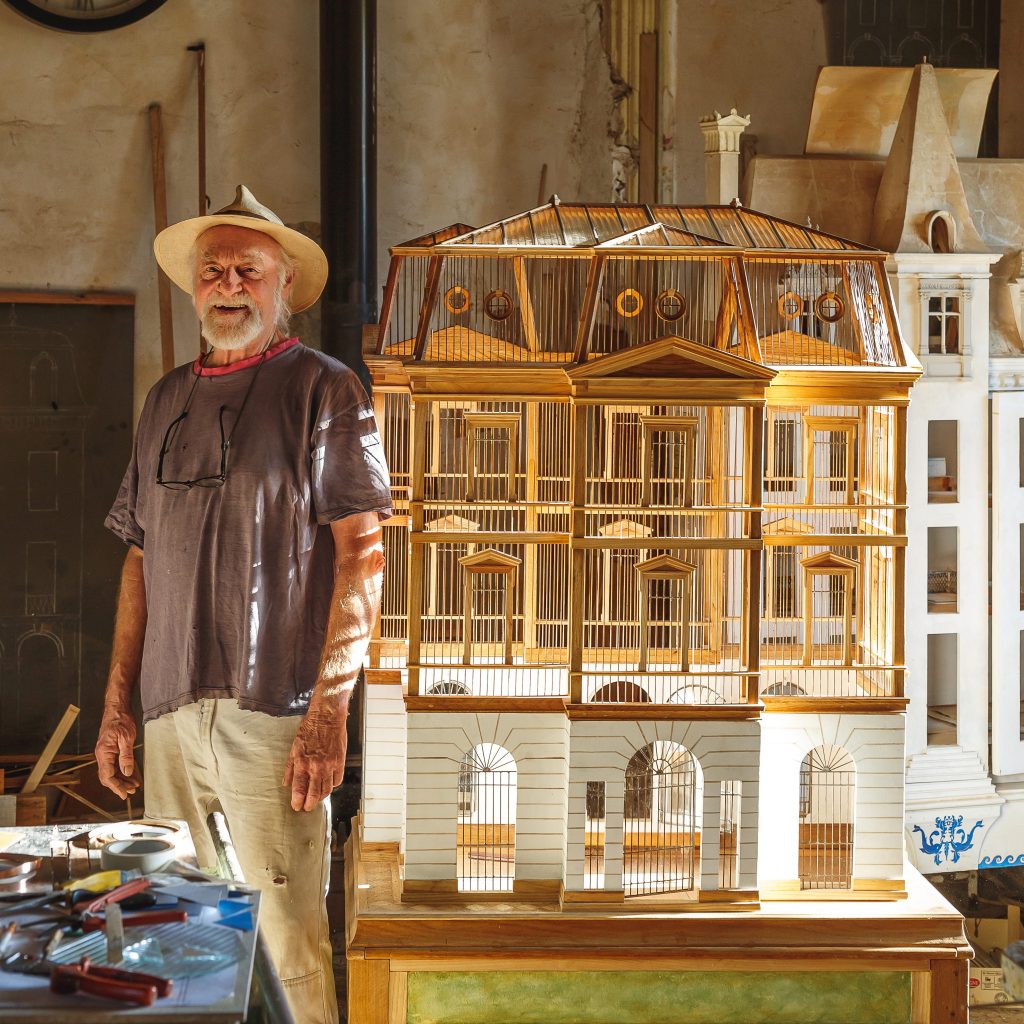
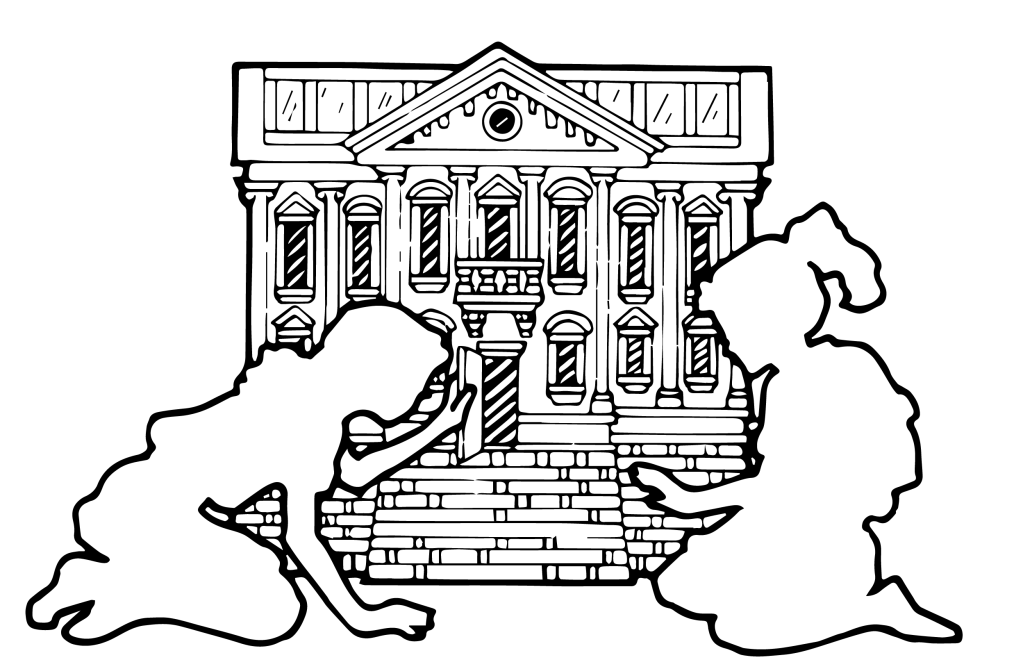
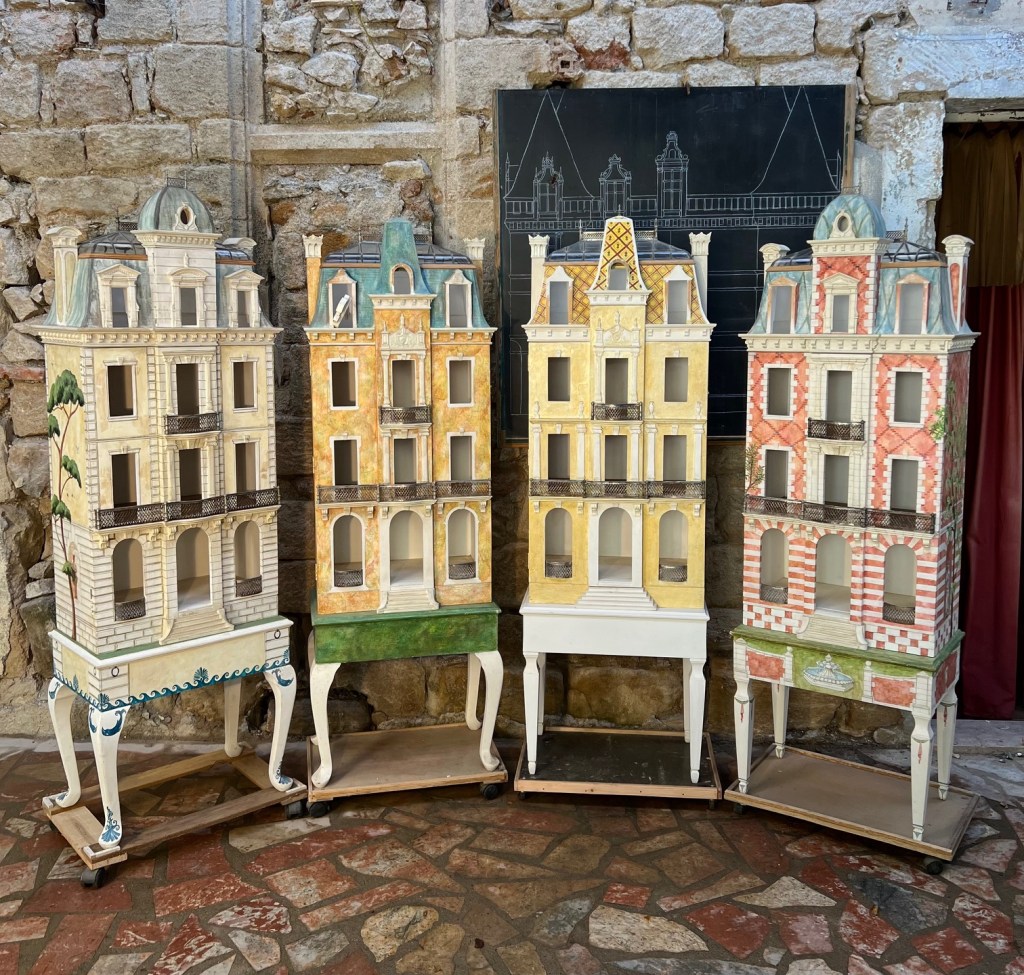
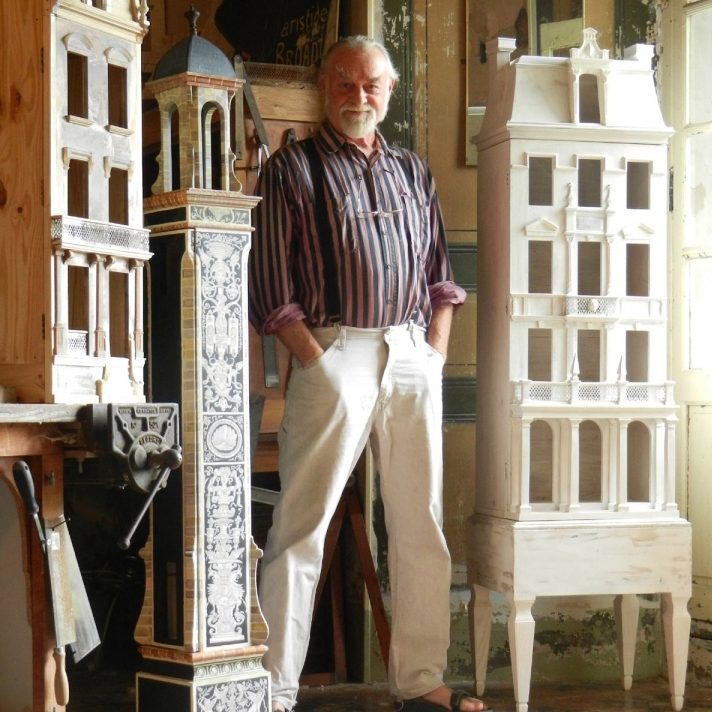
Eric continues to craft dollhouses using classical architectural designs, traditional techniques, and decorative painting. Since he began in 1972, he has amassed an archive of original wood carvings, meticulous drawings, and a wealth of technical knowledge. Originally, Lansdown Arts of San Francisco, Eric’s business now goes by Eric Lansdown Arts, Maisons de Poupées et Volières, Gabian.
Eric’s creations, since the 1970s, have always been a collaboration of talent; today, these dollhouses require many hands to assemble, with an apprenticeship program sponsored in part by the Swiss Michelangelo Foundation through the Homo Faber Fellowship. Eric Lansdown collaborates with young artisans from around the globe.
Eric Lansdown Arts Association is a non-profit focused on educating future generations of artists. Eric’s goal is to leave a legacy of craftsmanship and skill for the young artists who work alongside him and to carry on the activities after he has gone.
A fine family dollhouse is a heritage, as each owner adds their personal touch. The dollhouses connect stories of the past and create memories for the future, interweaving generations.
 Lansdown Arts